My Ongoing Exploration of Earth
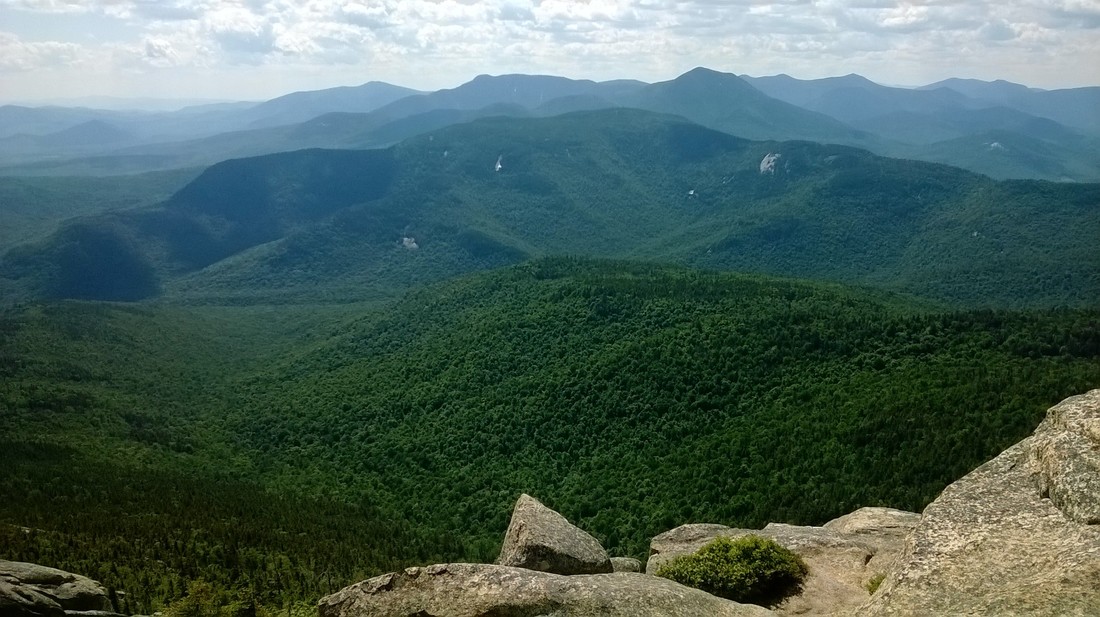
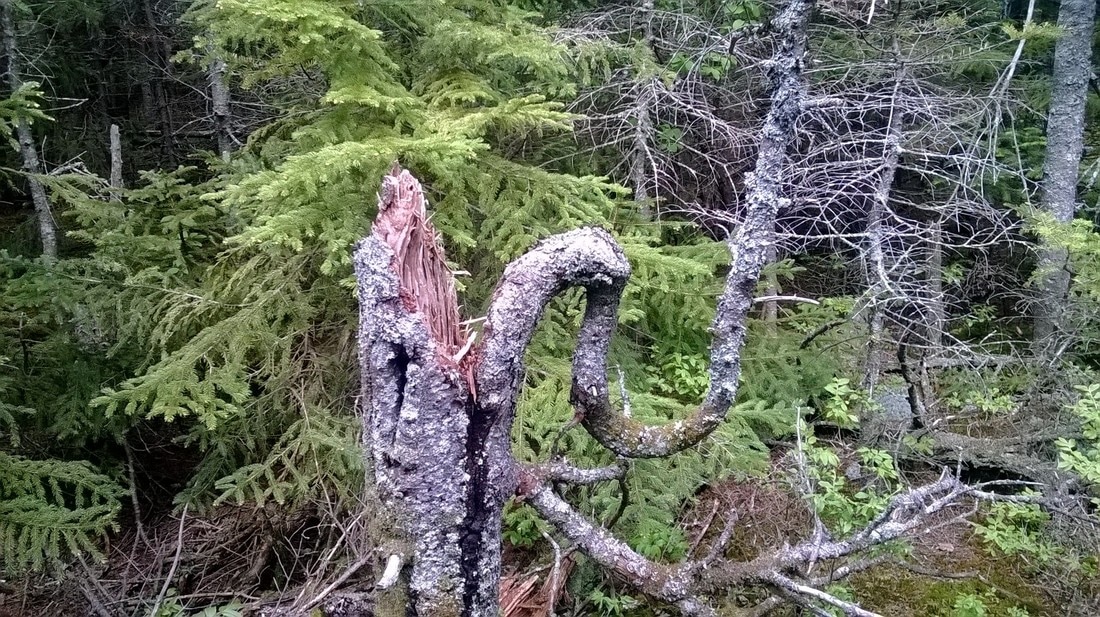
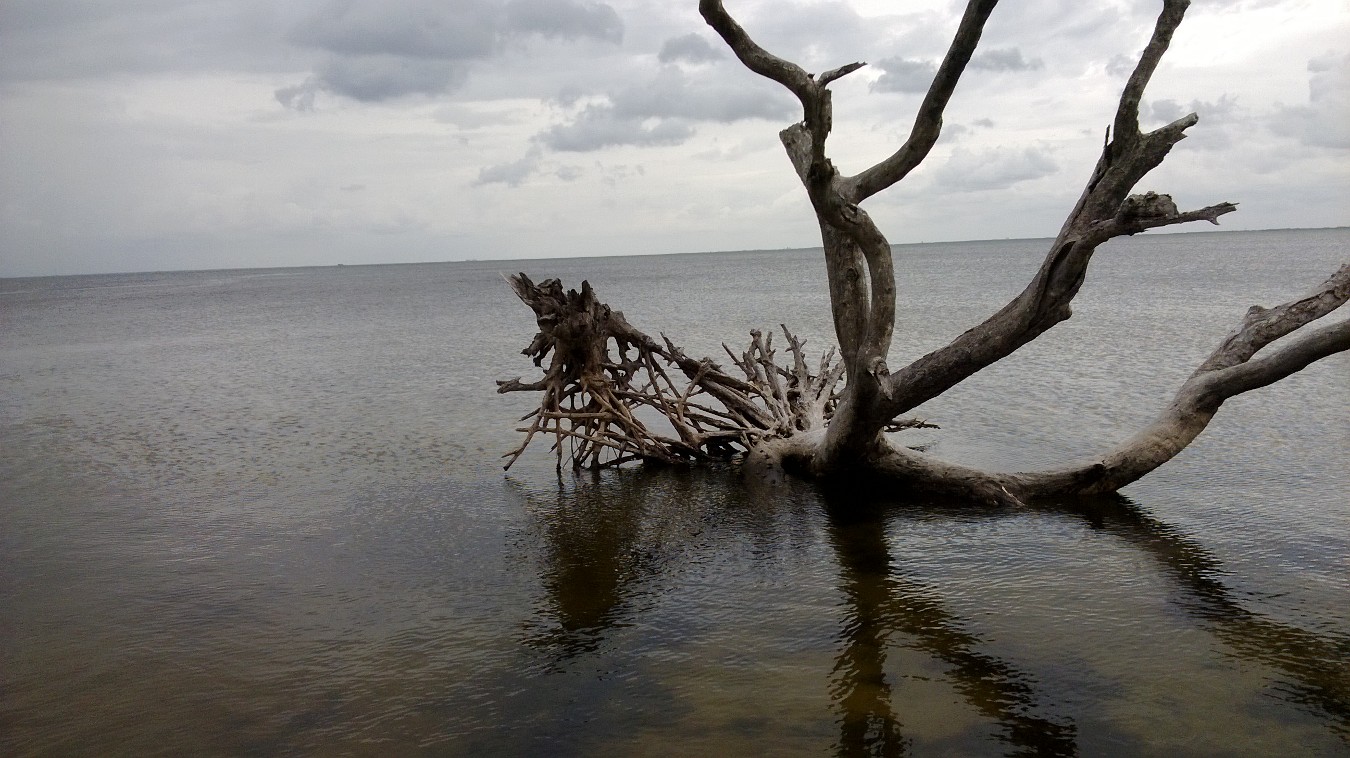
|
I am still seeing flowers pop up around the yard and around town. Unfortunately, I cannot stop my car just anywhere to take pictures of all of them. These are only a fraction of the total. All these photos were taken in July of 2018.  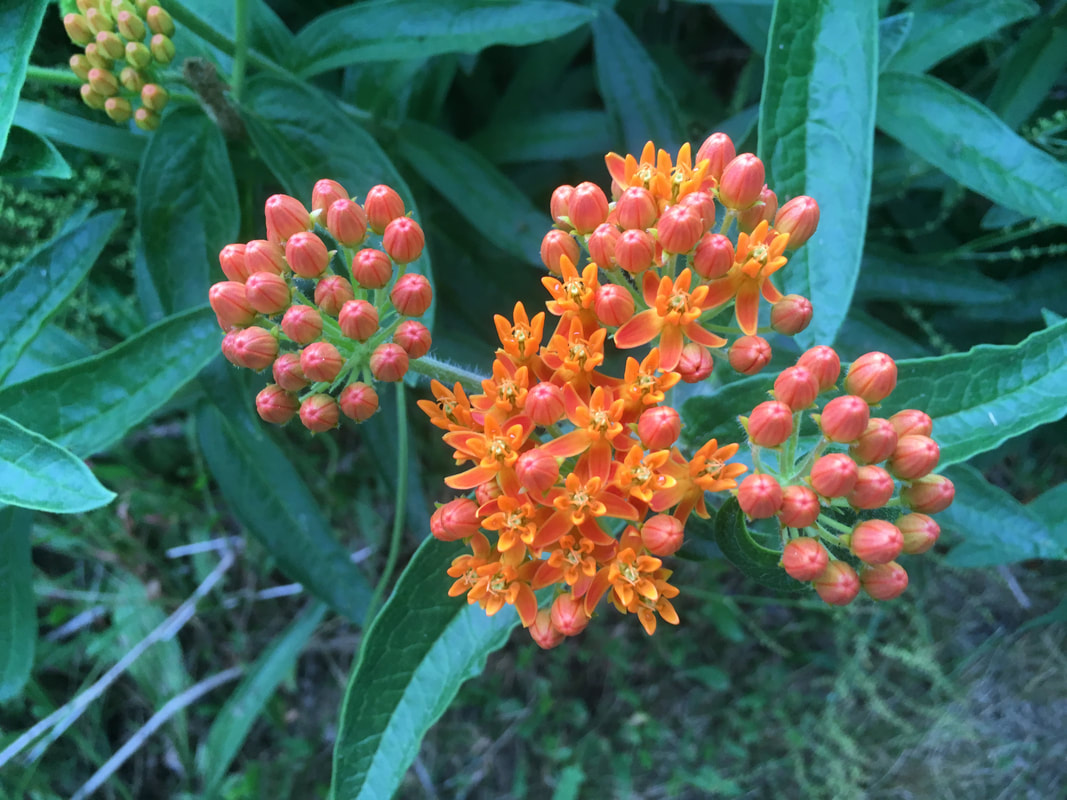 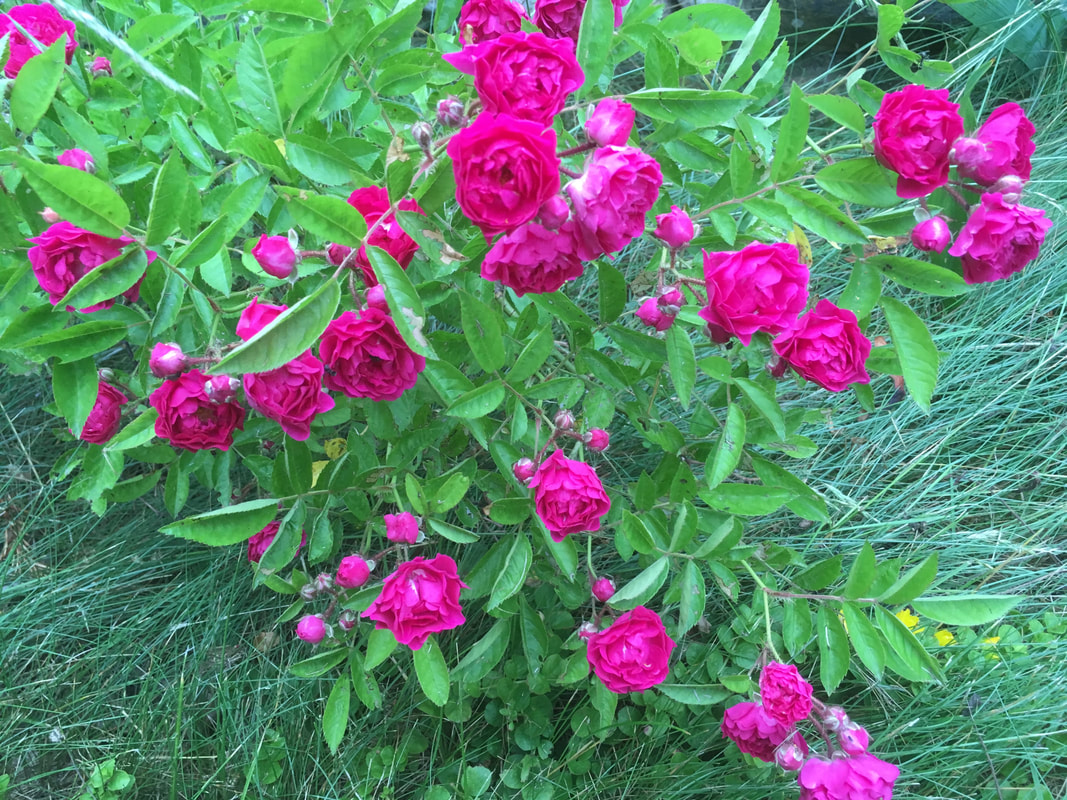 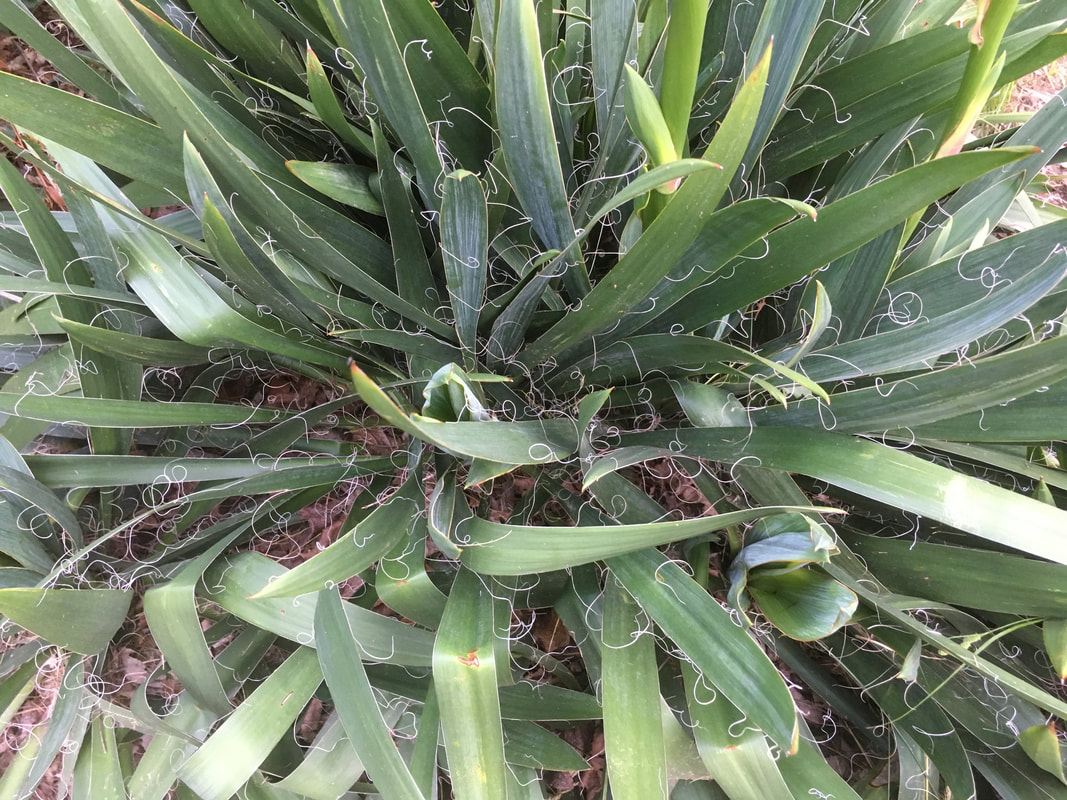 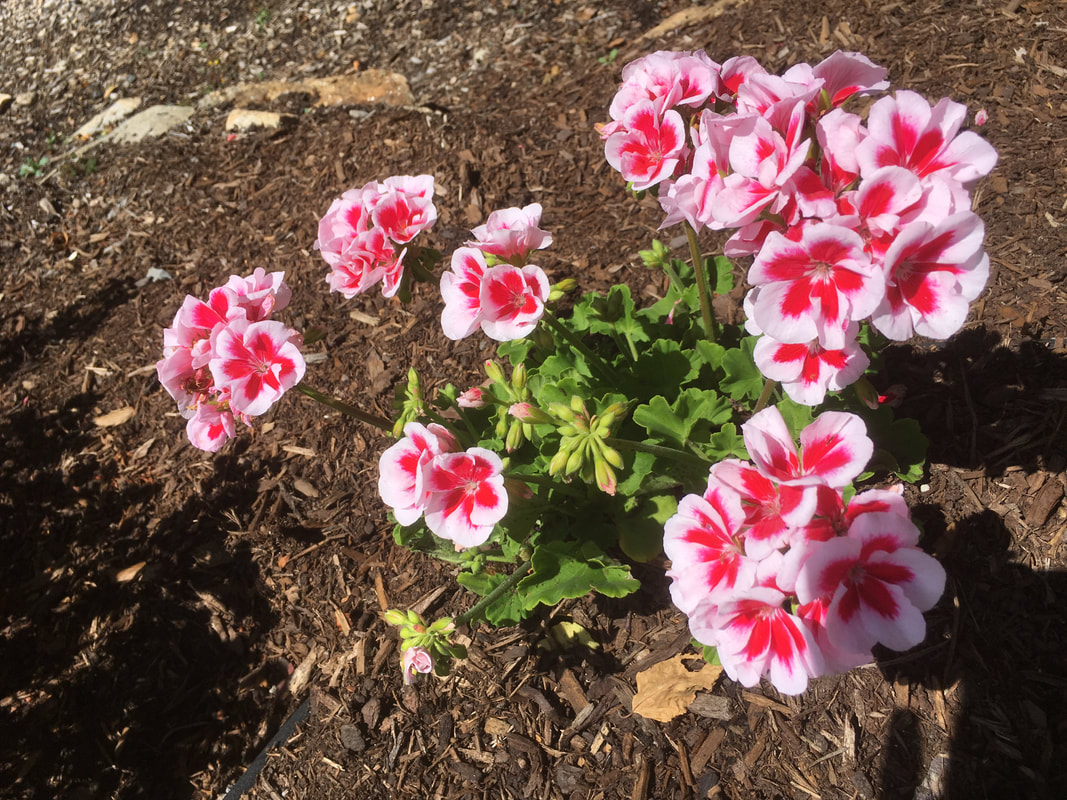 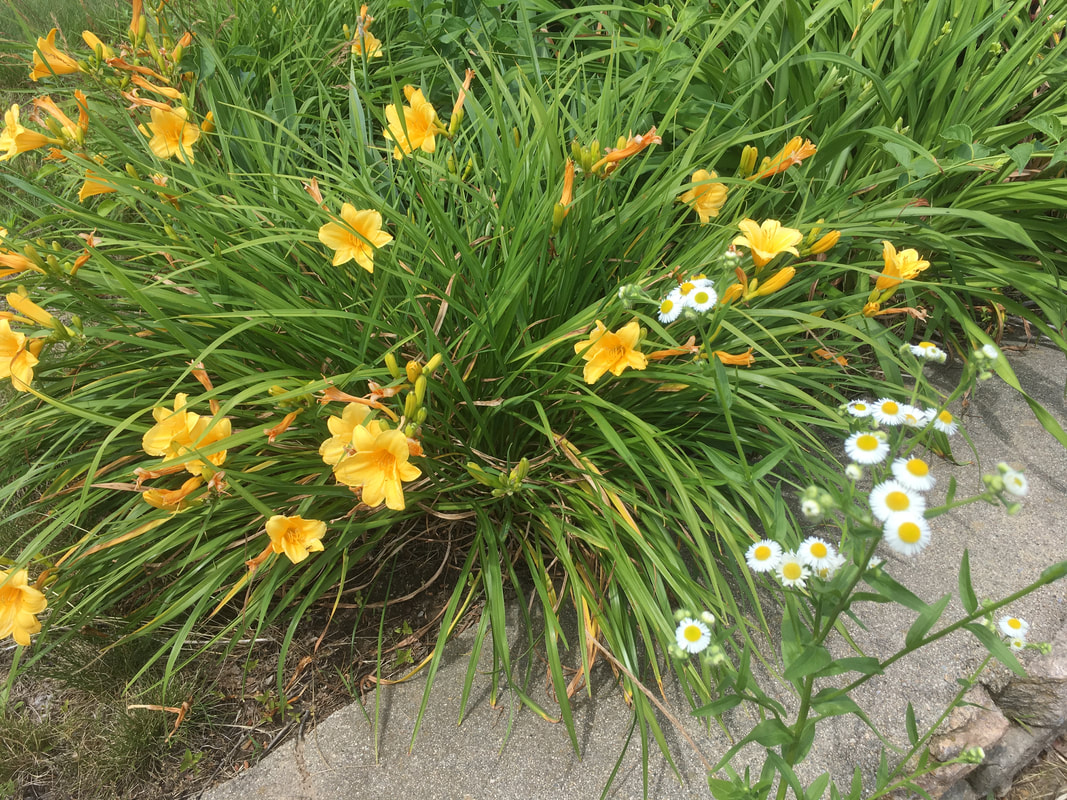 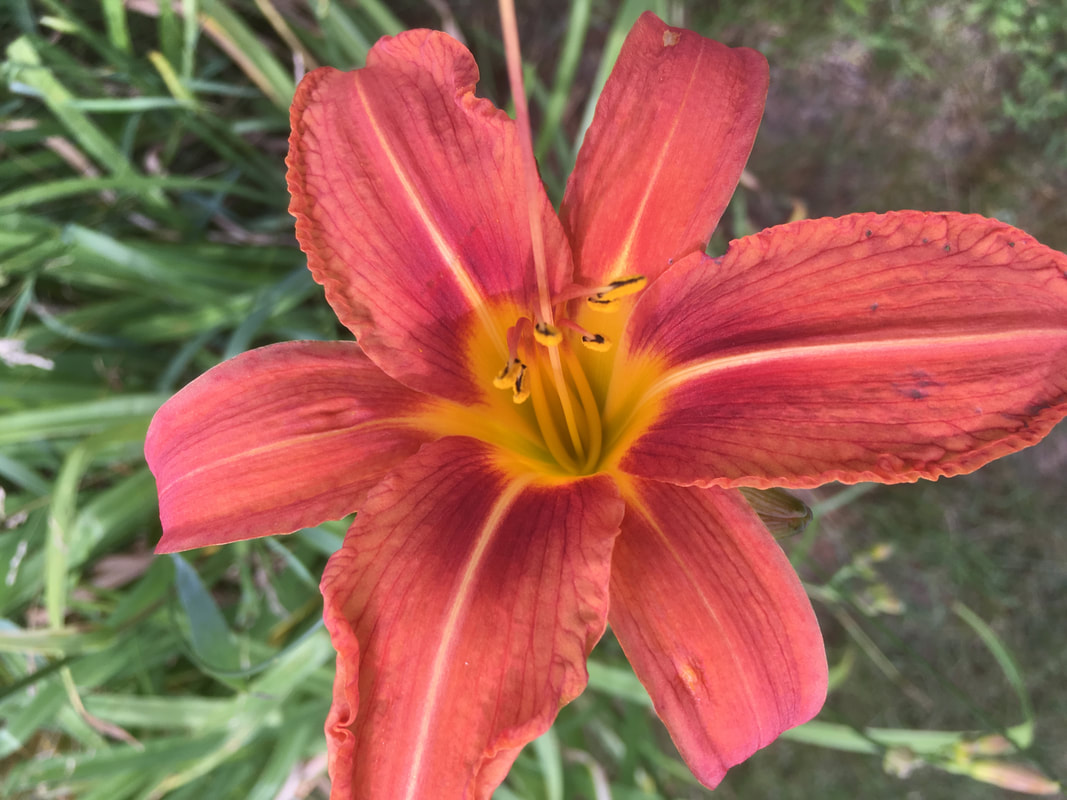 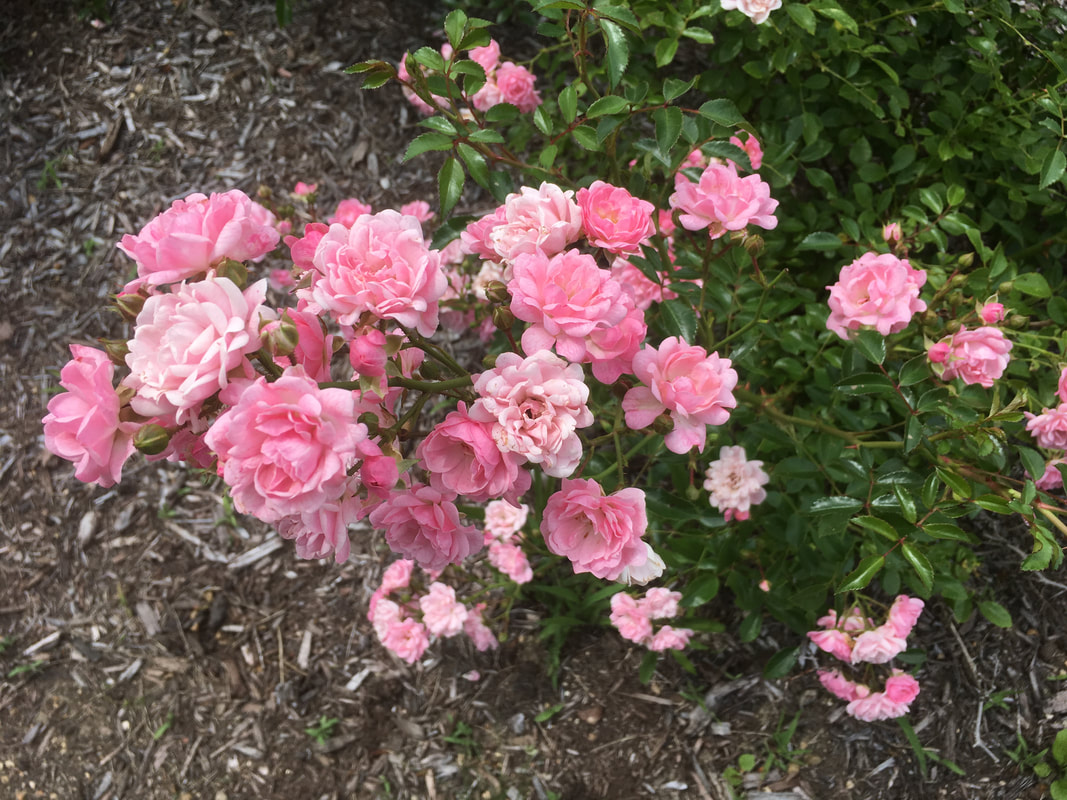 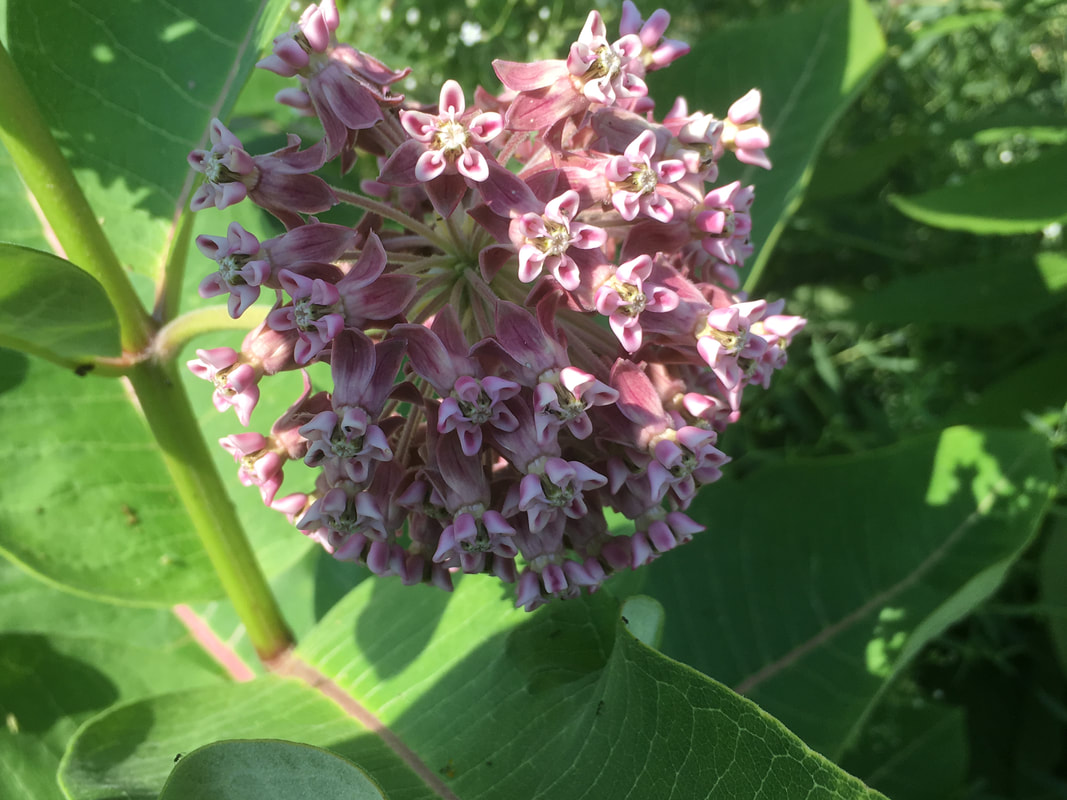 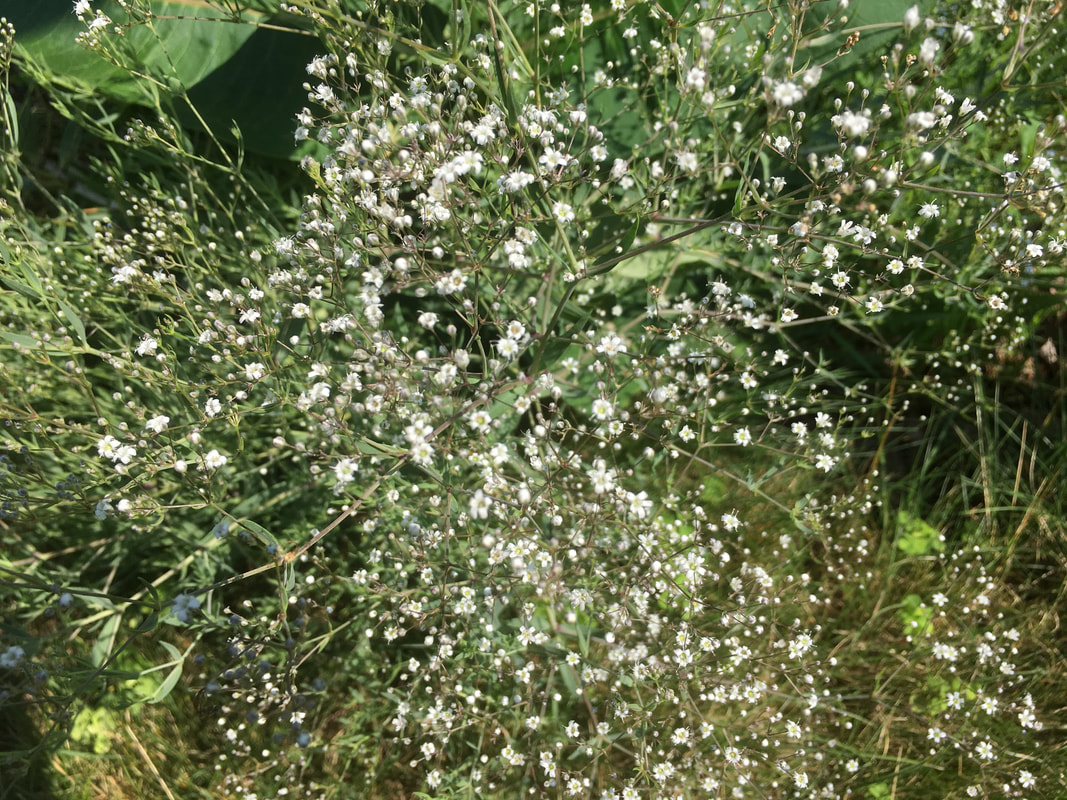 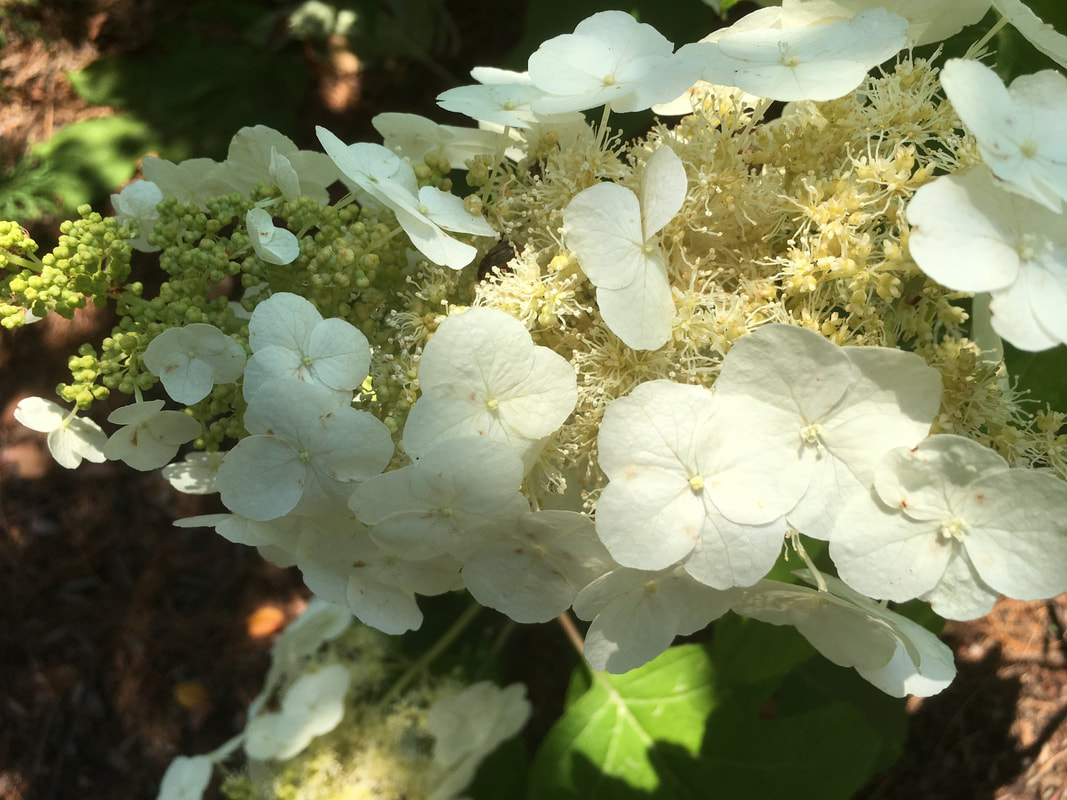 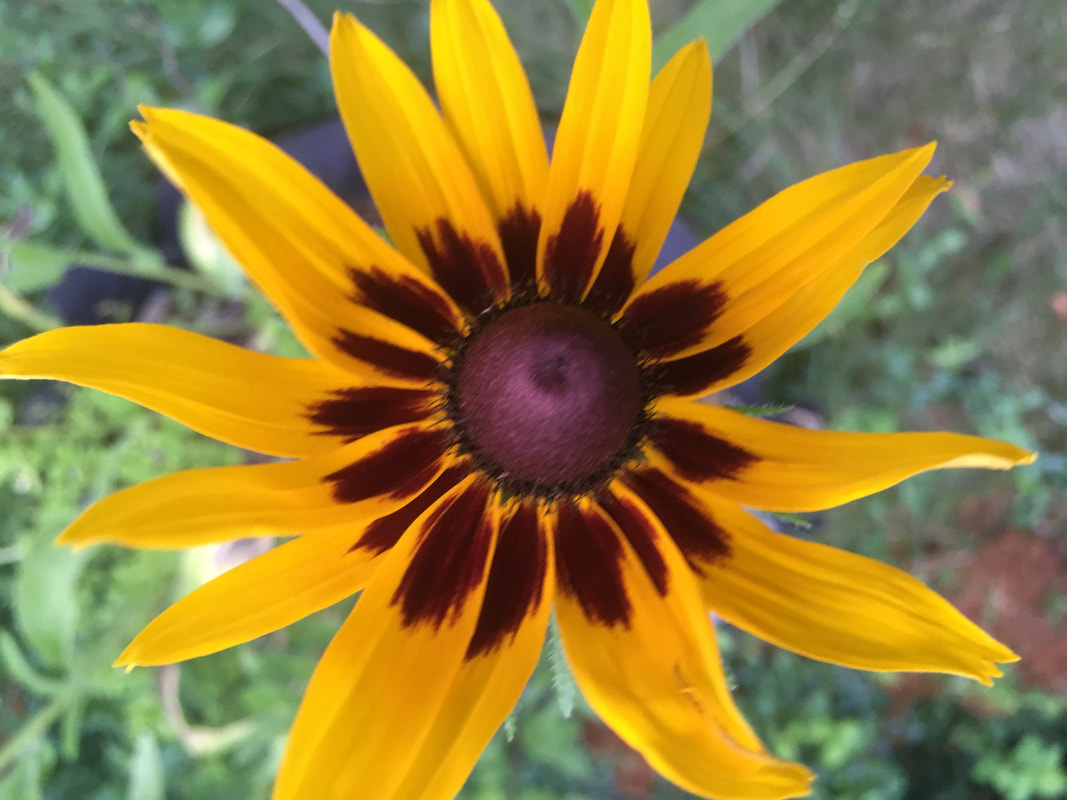 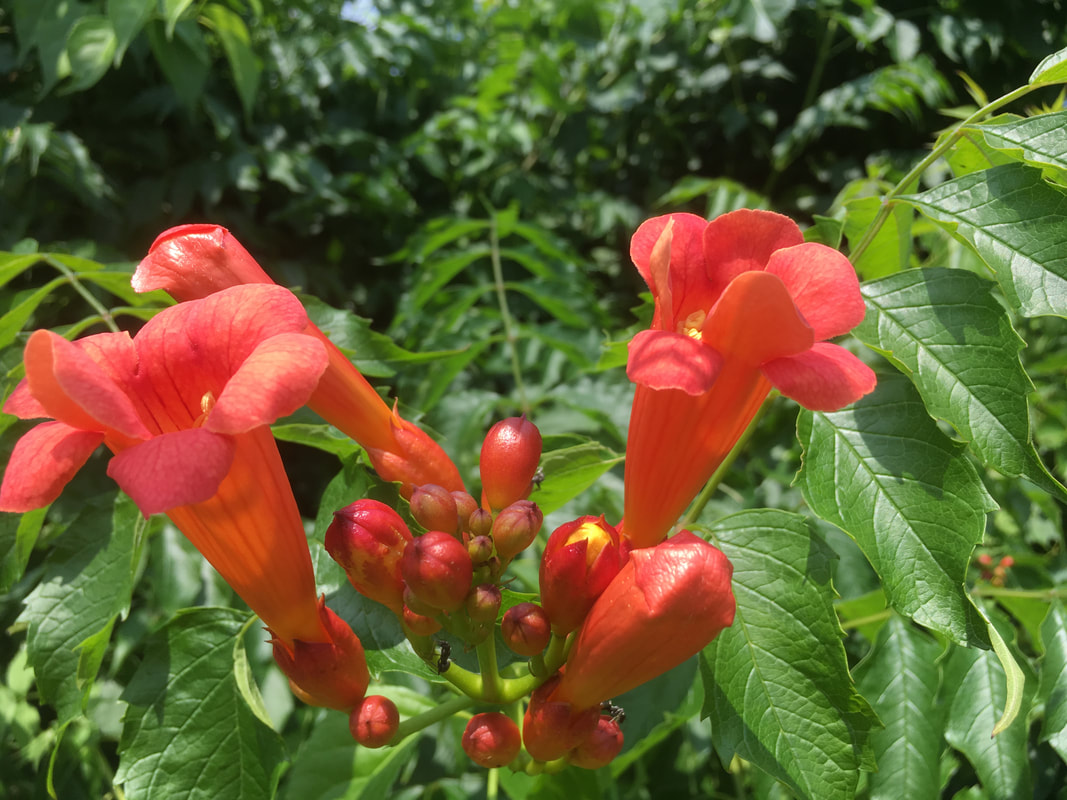  No, that’s not a flower. Dan, we talked about this. 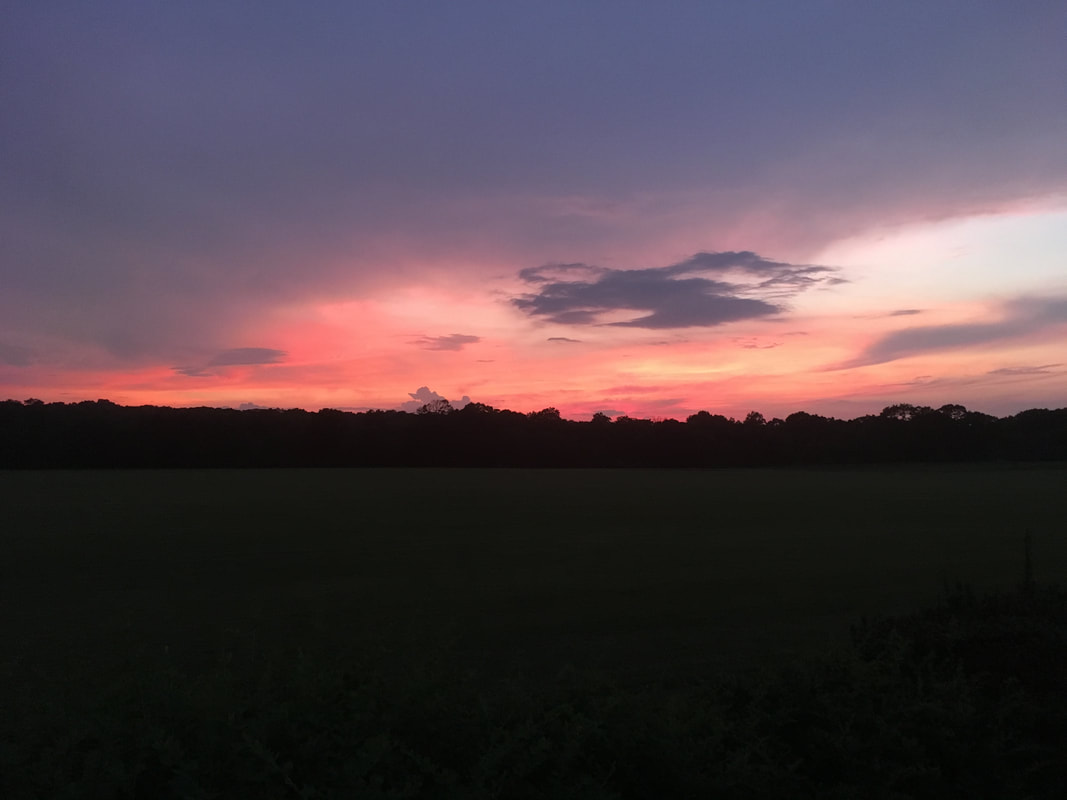 Very nice.
0 Comments
In addition to fiction and non-fiction books featuring the natural world, Hal Borland once wrote columns for newspapers and magazines. Then in 1967, he compiled many of his old columns into a book, Hill Country Harvest. In it are 136 anecdotes about life on his small farm. He covers science, childhood memories, holiday traditions, etymology, farming, weather, differences in cultural attitudes of the city and the country, and most of all his encounters with the plants and animals of north-western Connecticut. He observes the interactions of birds and squirrels at his feeder, the behavior of swallows nesting in his garage, and the trends in plant life from year to year. His stories remind me of those found in Country Magazine.
I can’t quite pin down why I like the book. Hal is not particularly eloquent. His descriptions are not especially vivid, nor do they capture a slice of life that inspires my nostalgia. He has no detectible sense of humor. His anecdotes are not particularly insightful, unusual, or exciting. They are so simple as to be almost boring, but something keeps them just above that line. I think what caught my imagination was the idea that if he can be successful with such a venture, so can I. Hal reminds me a lot of myself. He has taken a relatively normal life and picked out the best parts, ordering them like a sequence of adventures. Thinking about my time in Rhode Island so far, I realize I definitely have enough material to start a similar book. I am going to start keeping a journal. I might have a relatively normal life, but it is real, and nothing about me can ever be boring. I’m my own favorite subject. There’s a lot that happens to me that doesn’t quite rise to the level of what I normally put on the blog, such as the time I saw the rabbits in the yard, the rainbow at sunset, the hummingbird, the deer, the woodchuck, the Baltimore oriole in the lilac tree, or my take on all the local coffee shops around here. These will go in a book. What could possibly be better than getting gifts? Unwrapping them of course! Imagine unraveling a ball of strip paper to find a prize at the center and you have just imagined a surprise ball. You might find a finger puppet, a marble, a ring, stickers, or even candy – it doesn’t matter; IT’S ALL WRAPPED UP IN PAPER! Once a fifties fad, the novelty gifts are making a comeback, the current incarnation sold by TopsMalibu.com.
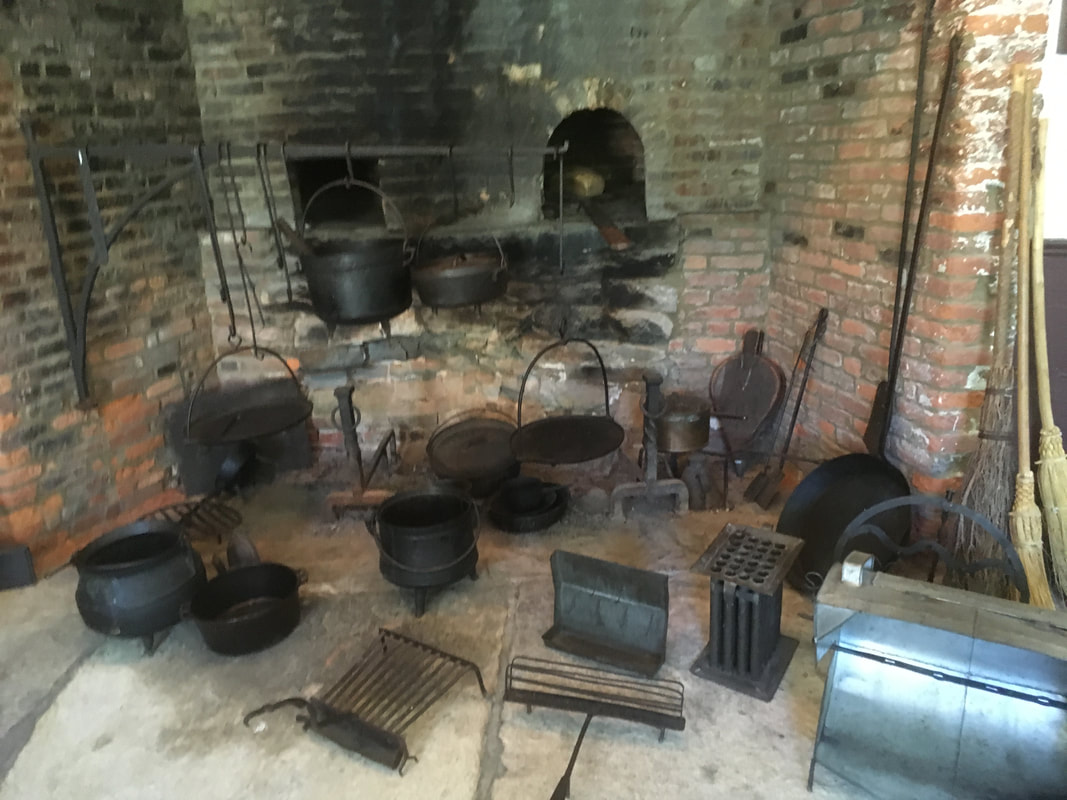 a fireplace big enough to feed the whole plantation In July 2018 I visited Smith’s Castle in North Kingstown, Rhode Island, which is not a castle, nor does it belong to anyone named Smith. Today it is a museum complete with informative tour guides and a gift shop, but the story is that a fortified, fenced structure once existed in the same spot owned by a guy named Richard Smith. While the colonists of Rhode Island got along okay with the Narragansett people, those in Connecticut, Plymouth, and Massachusetts Bay did not, and believed them to be harboring Wampanoag warriors that had plagued them for years. Since Smith was friendly with the governor of Connecticut, even going so far as supporting the ceding of Rhode Island land, he allowed soldiers from the three surrounding New England colonies to stay at his house and launch an attack from there into the nearby swamp. No Wampanoag were found, and the Narragansett were slaughtered in one of the bloodiest battles of those times. In retaliation, the Narragansett burned down every single home on the western shore of the bay in 1676, including that of Richard Smith, even though it was tucked away in the end of a tiny cove. Note: As it turns out, the site where the Narragansett were attacked is the very same place where I had seen the swamp monument several months ago and several miles away. At last I knew something of where it came from! Soon after, a new home was built in the same spot, which survives to this day (though only a fraction of the wood is original). The house stayed in the Smith name until 1737, when the owner having no sons, it was given to a nephew by the name of Daniel Updike, a lawyer and Rhode Island attorney general who was instrumental in acquiring four counties from Massachusetts – Tiverton, Little Compton, Bristol, and Cumberland. He also had a plantation where he (or, rather, his slaves) grew corn and raised cattle and horses. He sold cheese and candles. In 1812, the place was passed to the Congdon family, then the Babbitt family, and finally the Fox family, who held it until the late 1930s. Each room is packed with much to look at. There are heating jugs for the beds, spinning wheels, and candle molds. I saw the seashell plaster they used on the outer walls. I saw the types of beams used to support the house called gunstock beams, which are wider on the top. The beams still bear the marks telling where each one was to attach to its neighbors. Houses of this type in those days were often assembled at one location, marked, and then disassembled and shipped to where they would remain. It was hard to know what questions to ask, but the docent was very helpful. 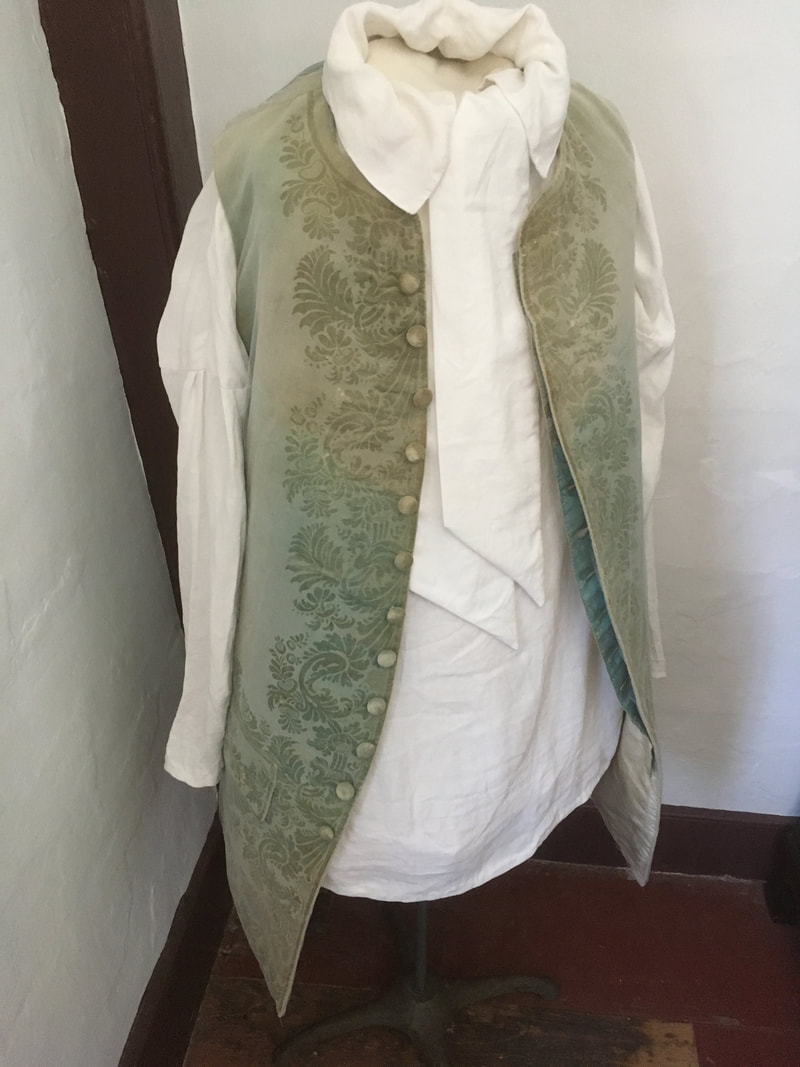 Daniel Updike's jacket There is an idea out there that the morality of an action is based less on the action’s results than it is on the motives of the actor. We do not blame people for accidents. In Christian circles, it is often said that sin isn’t what you’ve done; it’s the state of your heart. It is also said that God wants a “cheerful giver” and we should not donate or tithe out of guilt or to try to earn God’s favor. When we pray, we are told that praying with the wrong motives will leave our prayers unanswered.
The problem with this thinking is that it opens us up to accusation from others and ourselves. No matter how noble one’s cause, if they become aware of any potential benefit to themselves whatsoever, that benefit immediately becomes one of their motives. It is impossible for it to be otherwise. Then that little nagging voice inside says, “You know the real reason you did that good deed; you aren’t selfless at all.” Since there is virtually always a way for an action to benefit us in some small way (even if for no other reason than to make us feel good about ourselves), we will always beat ourselves up and live in guilt. I don’t think this is what God wants. Just because you may do the right things for the wrong reasons, it is no reason to stop doing the right things. It isn’t just about us. Just because you may pray for something with the wrong motives, it is no reason to stop praying. Just do it. Is it wrong to punish those truly guilty just because we might be doing it in revenge? Is it wrong to enjoy art and support the artists just because it has elements in it we find erotic? Is it wrong to give to the poor just because we make a show out of it to glorify ourselves? There is no way to control our motives anyways; only God can change the heart. Trust him to take care of it. In the meantime, never tire of doing right. God can use even our impure motives to accomplish his will. 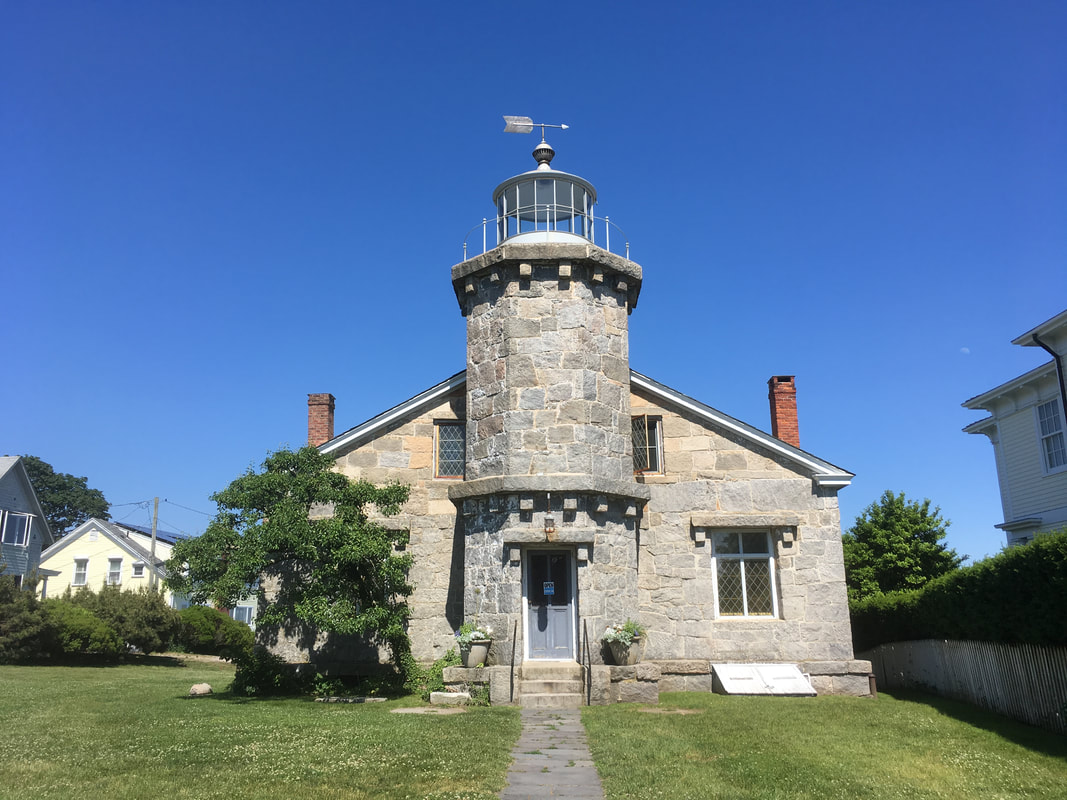 I visited Stonington, Connecticut in June 2018, a short peninsula with only one road in or out, all others having been severed by the railroad. I was not able to stay long and therefore pressed for time when I visited the Stonington Lighthouse Museum. I had to rush to get a look at everything, without taking time much to learn about the items or commit them to memory. The museum is inside an old lighthouse with stairs one can climb to the top. It has been there since 1840 and has been a museum since 1927. The location of the previous lighthouse is now a parking lot for the museum and nearby beach. Interestingly, nobody alive today is sure whether the new lighthouse is the same as the old lighthouse that was moved, or if the new one was built to replace it. The records are ambiguous. The museum covers all major aspects of the town’s varied past industries. A map shows where in town these places used to be. There is an exhibit on steamboats, another on steam locomotives, and another on whaling. Featured are all the tools of the whale trade, not just harpoons. There is also a whale rib, vertebra, and section of baleen. There are also teeth. Another section covered ice harvesting. There were many tools involved in gathering ice blocks during the winter to store in food coolers during the summer. Another section covered the process of making pottery. Many pots are on display, most of them rather plain. The history of the Wadawanuck Hotel and Wadawanuck College for Women are shown. There are, of course, lighthouse lenses, as well as many cooking gadgets and various trinkets brought home by sailors from around the world. If I had time, I might have made use of the scavenger hunt questionnaires. Each lists a set of questions whose answers are found somewhere in the museum. There were a lot of things to see packed into a small space, most of which I was totally unfamiliar with (rare for me), such as the eel gig, a tool used to catch eels. The only negative was that not everything was labelled and I always wished I knew more. One thing I thought very interesting that I had never heard before was the practice of placing shoes inside the walls of a new house for good luck and protection from bad spirits. How do these ideas even get started? Shoes have been found inside many of the buildings in town. Another interesting practice was the use of courting mirrors. These were common gifts to give pretty ladies who could then look at themselves. Since they were also slightly transparent, they could be used to look at the gift-giver at the same time. I should try this. I wish I could have stayed longer. 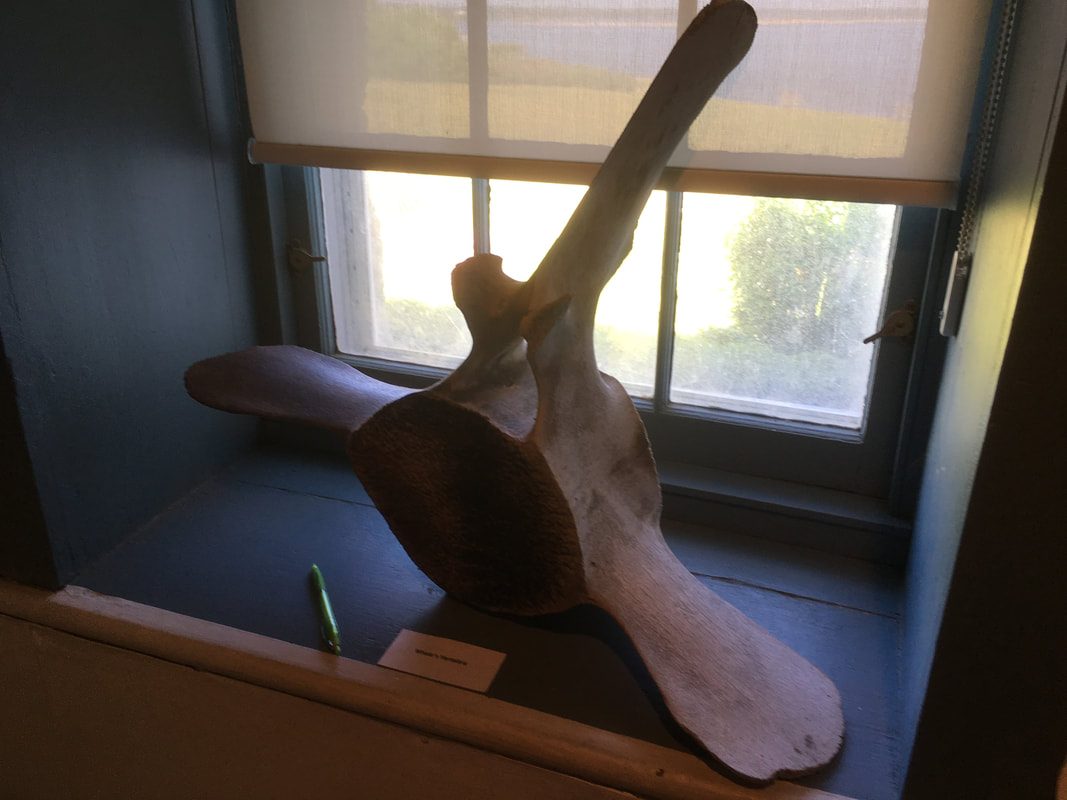 whale vertebra (pen for scale) It started in March. Flowers began popping through the lawn here and there. Then in April flowers were everywhere! Even the neighbors had them. The lawn was full of dandelions and violets. Then it was mowed and up came the buttercups and clover. The trees were suddenly ablaze like slow-motion fireworks. Some flowers only lasted a day. Others lasted a week or longer. Some came in gradually. Others were nonexistent one minute and existed in hordes just two hours later. Every other day in April, May, and June there was something new as first one bush and then another lit up. I could not gather what I considered a good photograph of all of them, so I have posted only the best. I keep thinking we are lucky that the creator decided to place flowering plants on at least one planet. When I see a plant covered in them I think that at least one thing in the world is going right. 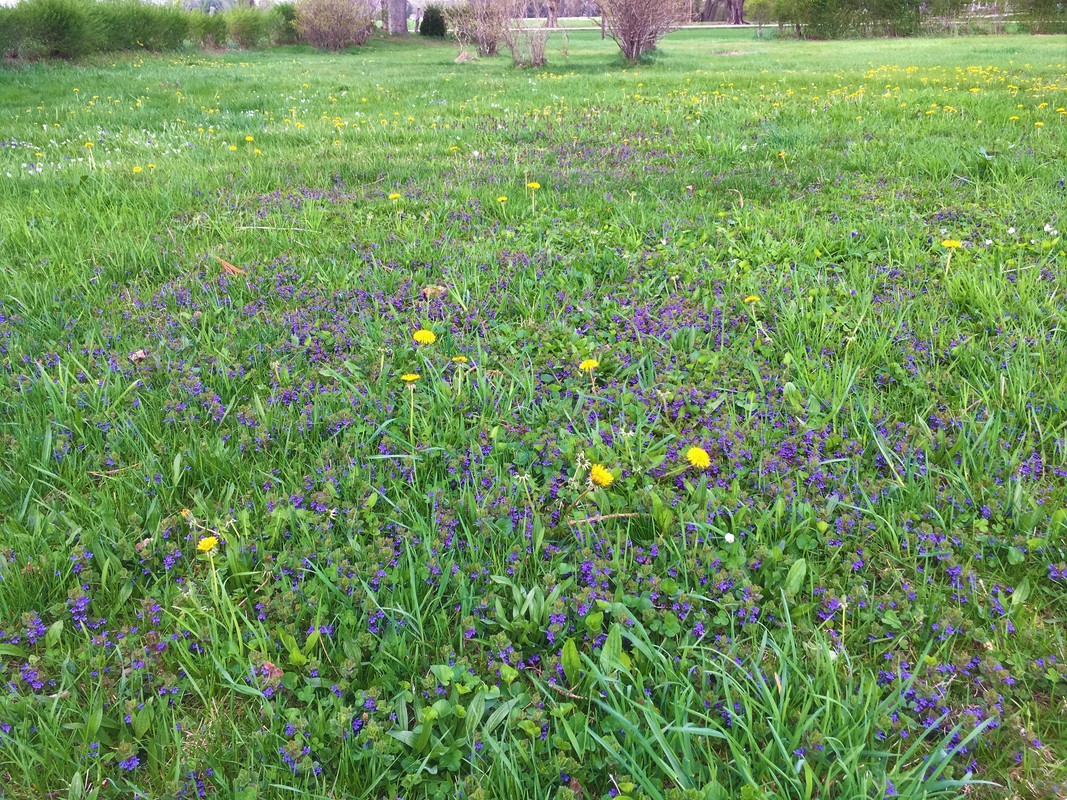 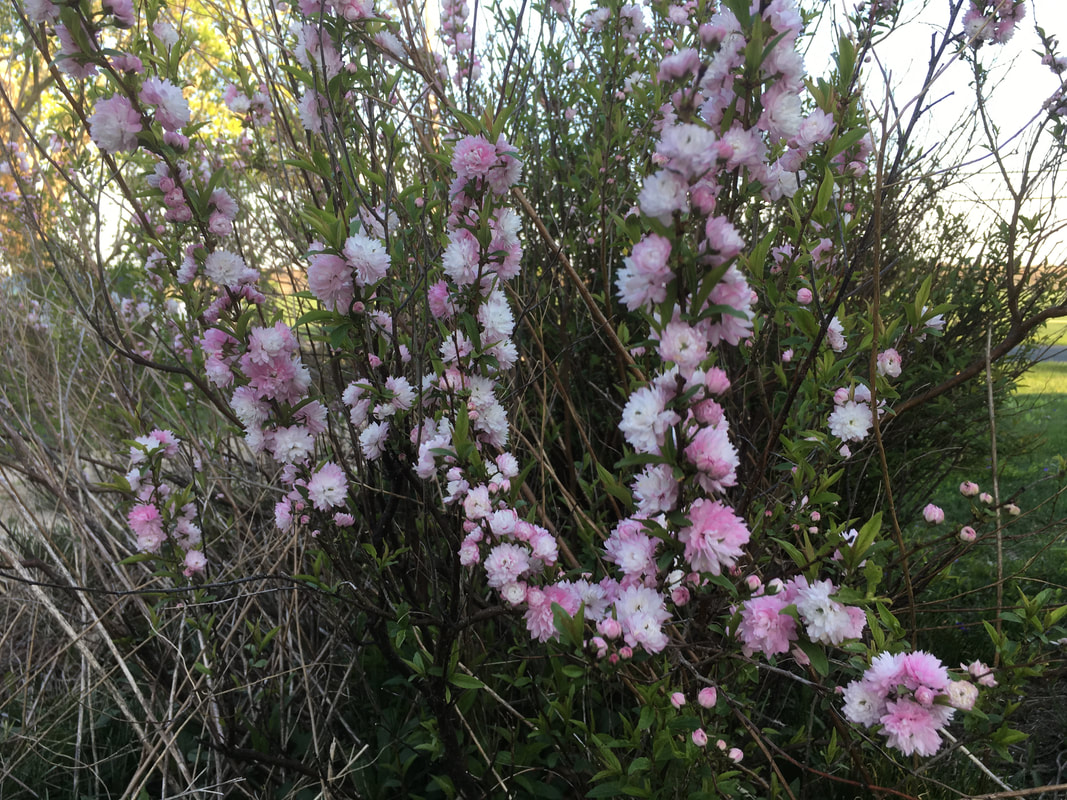 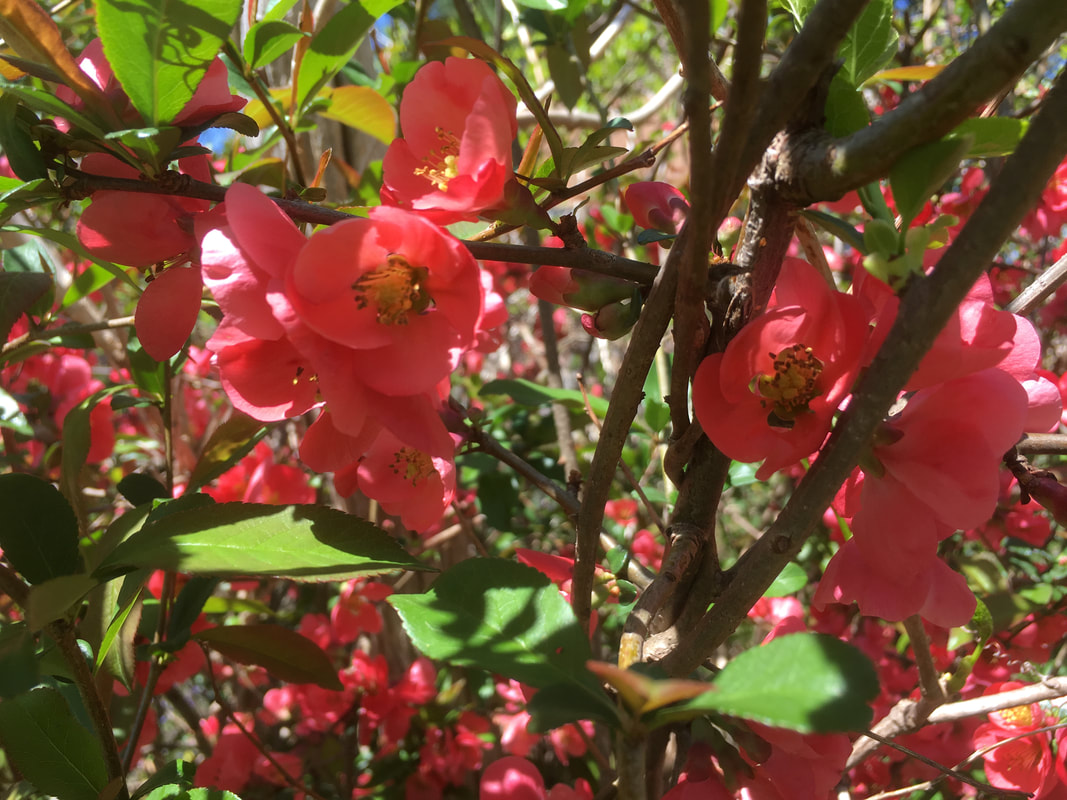 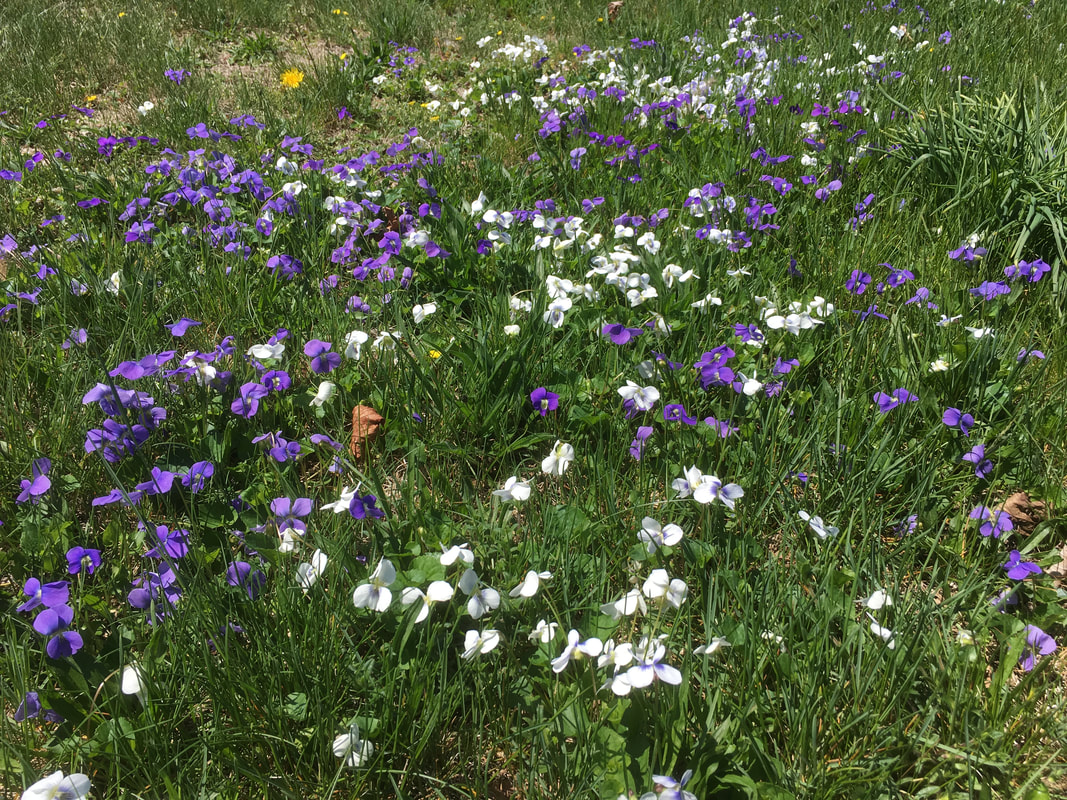 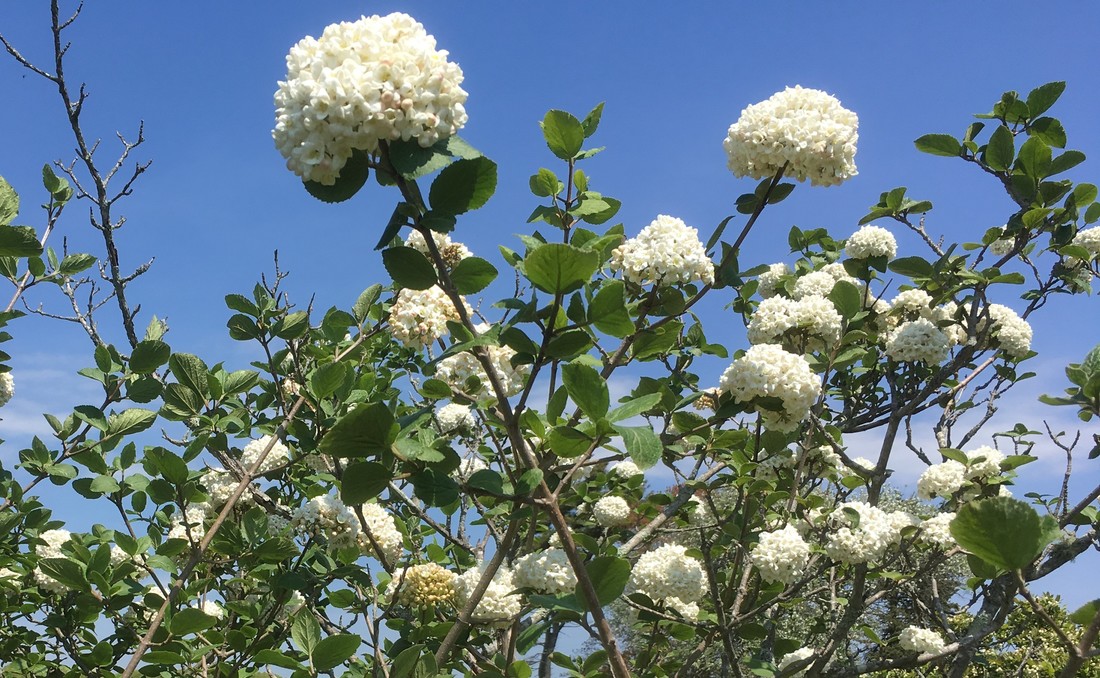 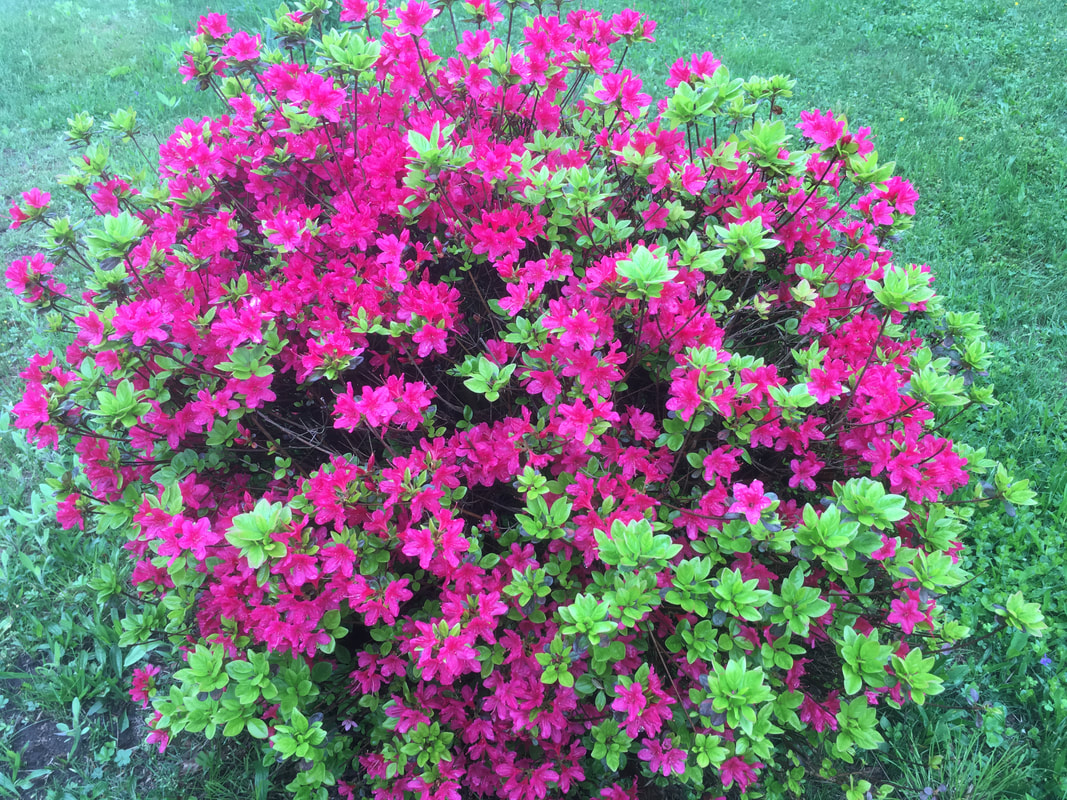 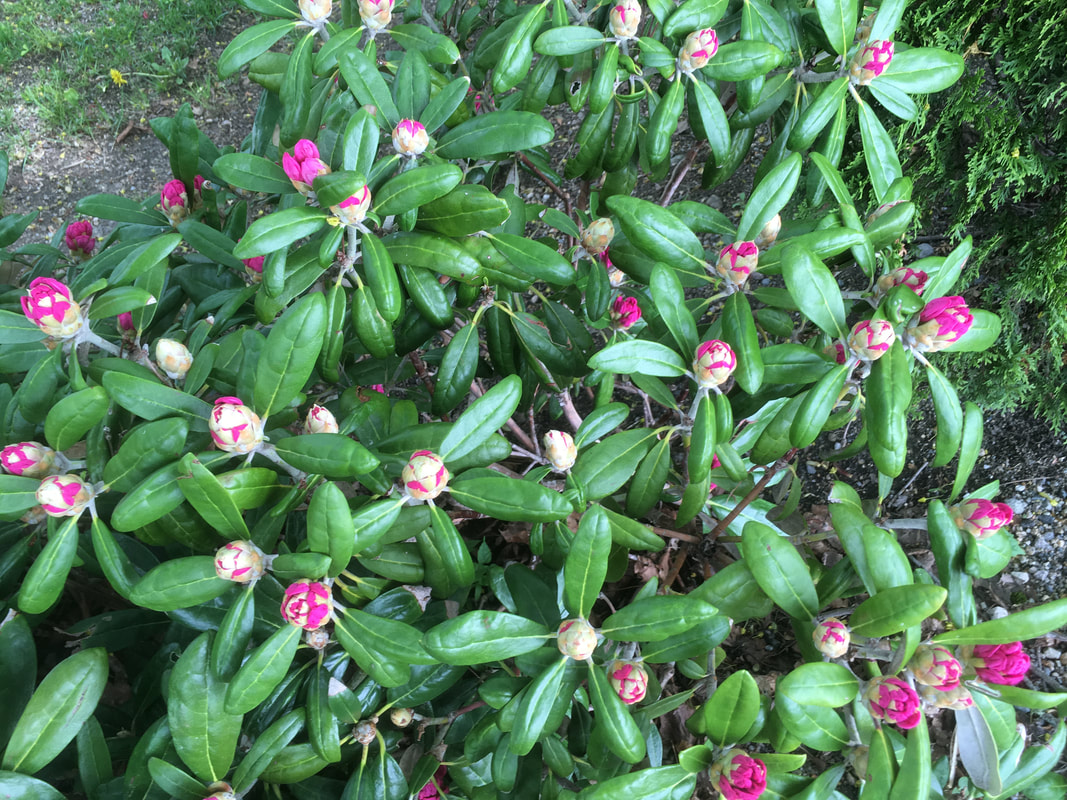 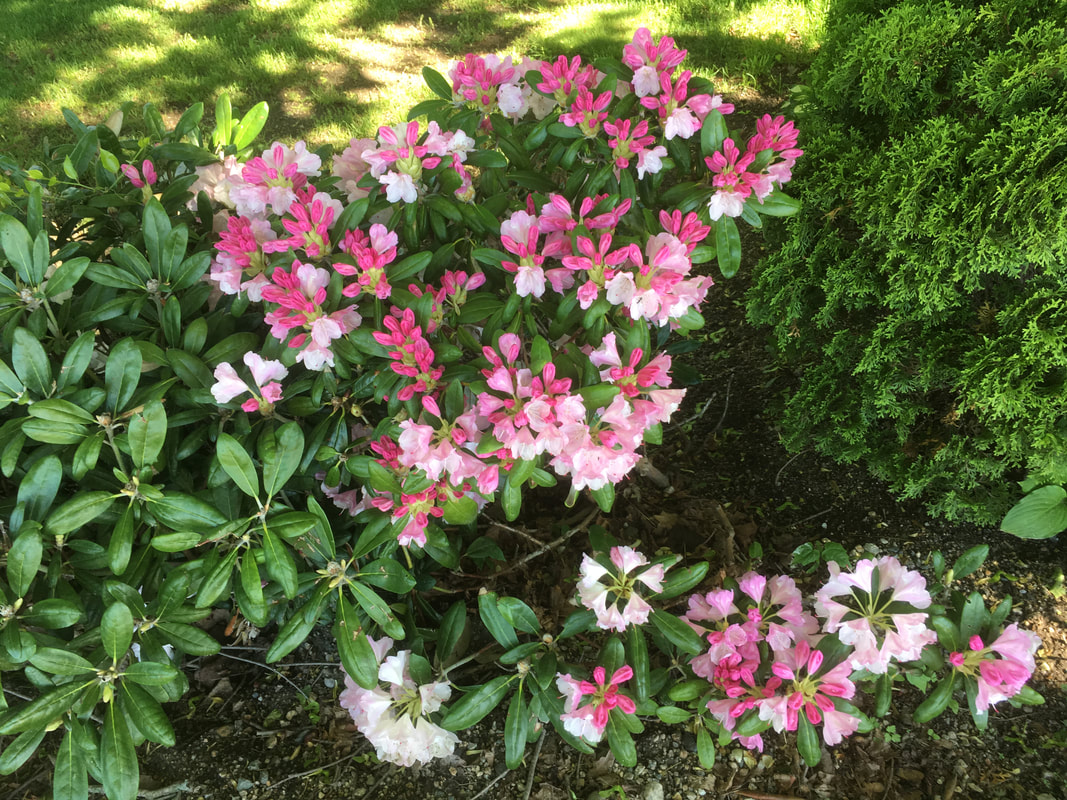 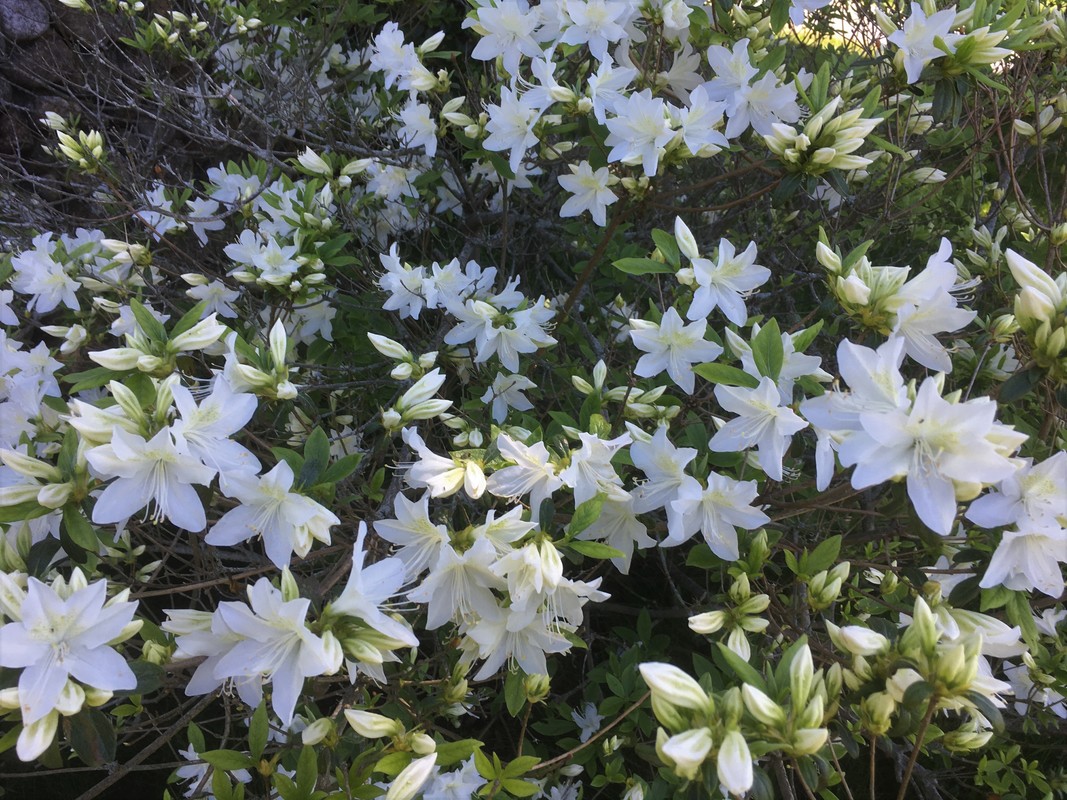 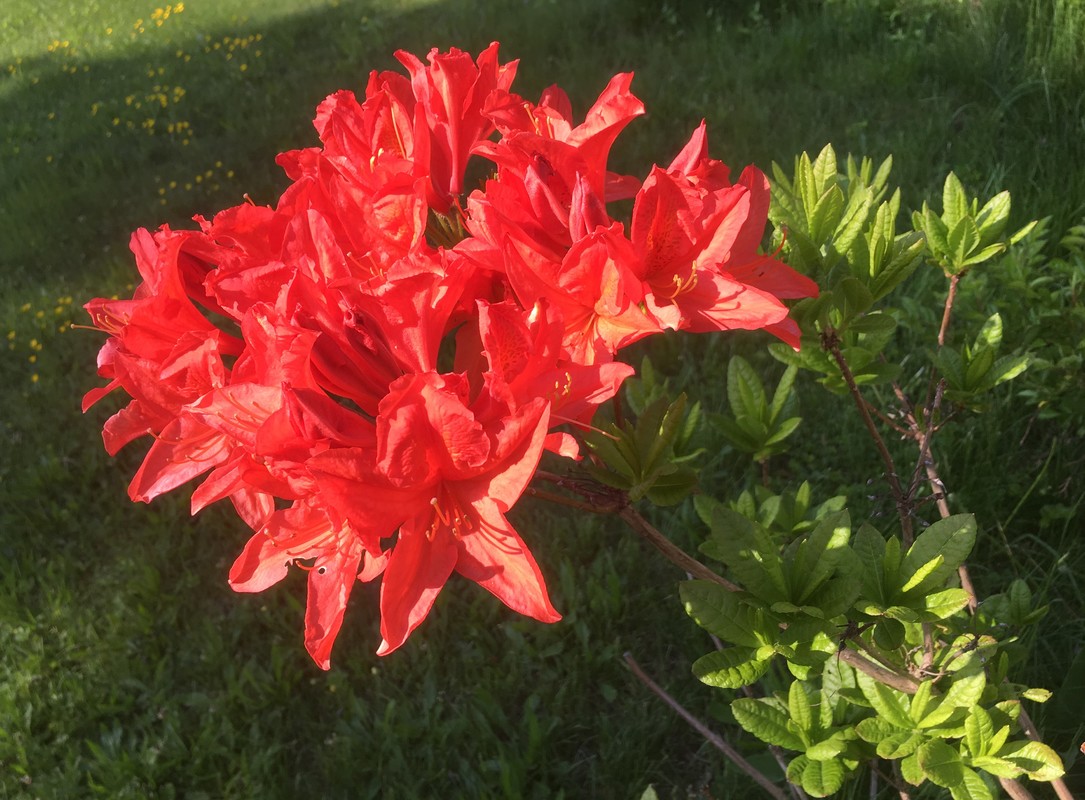 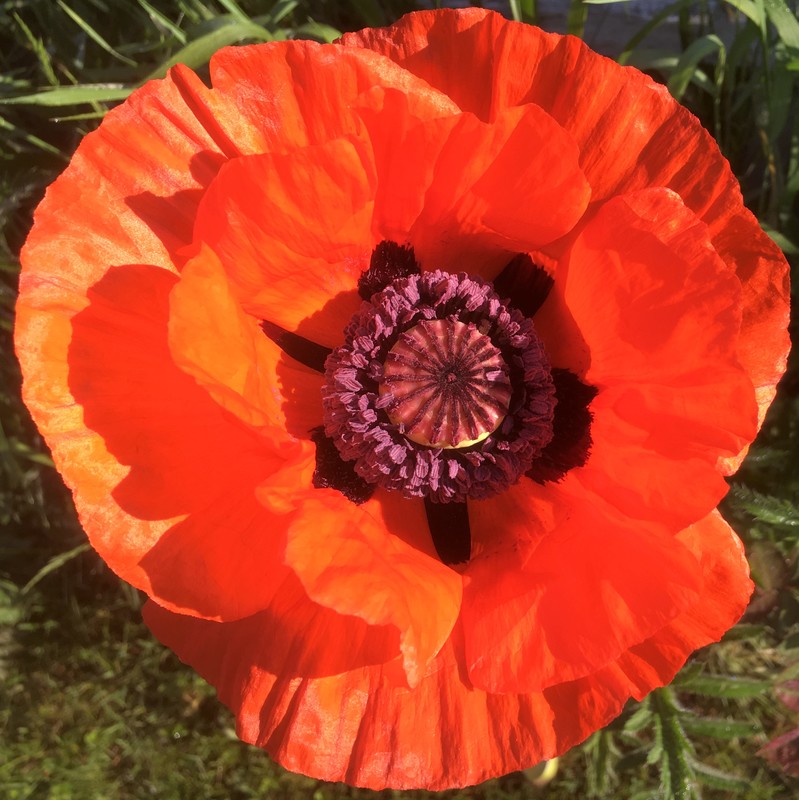 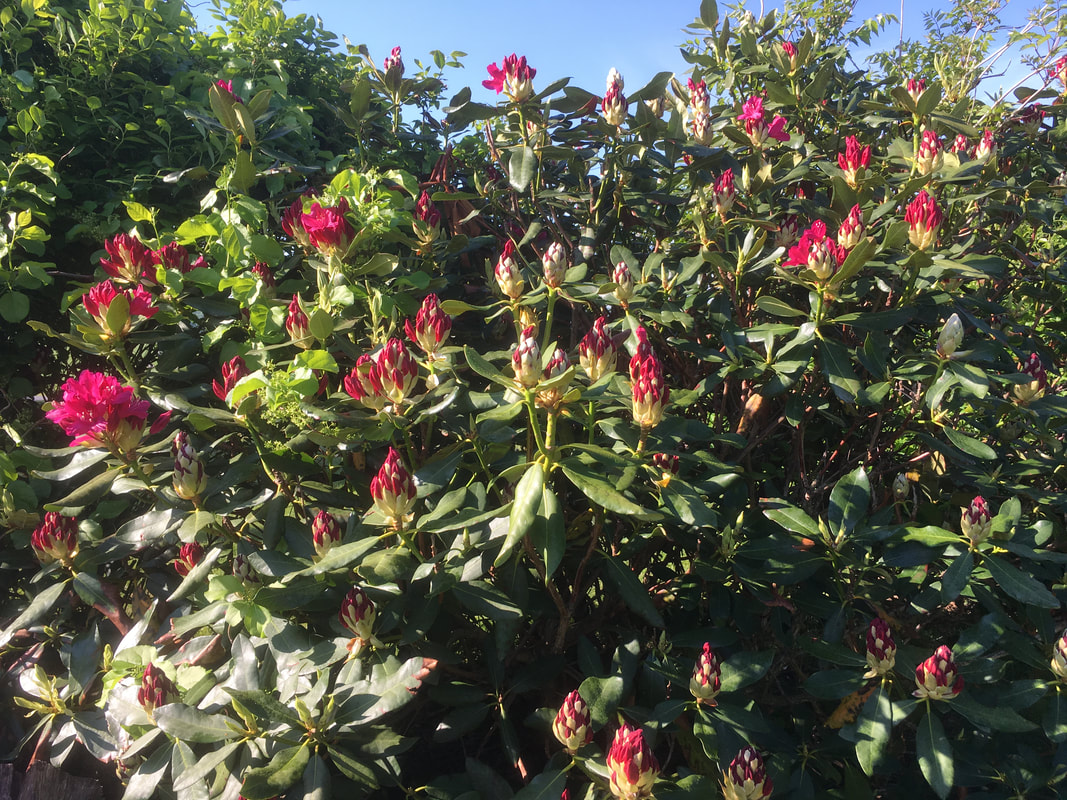 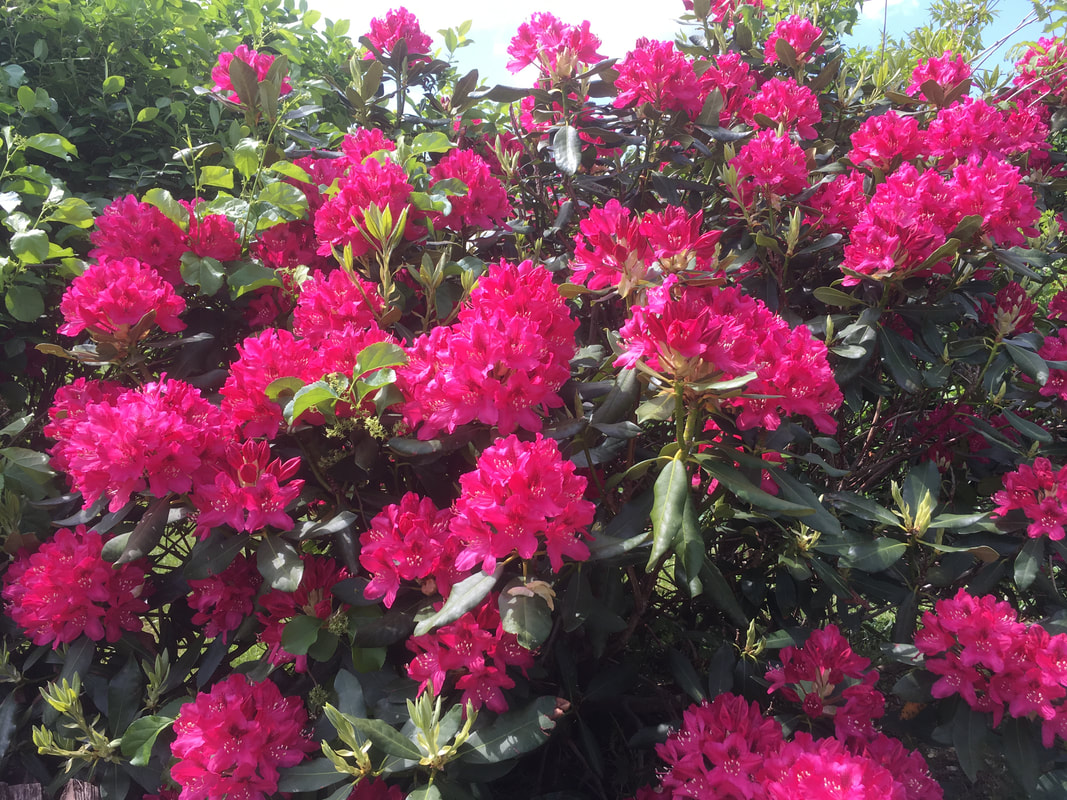 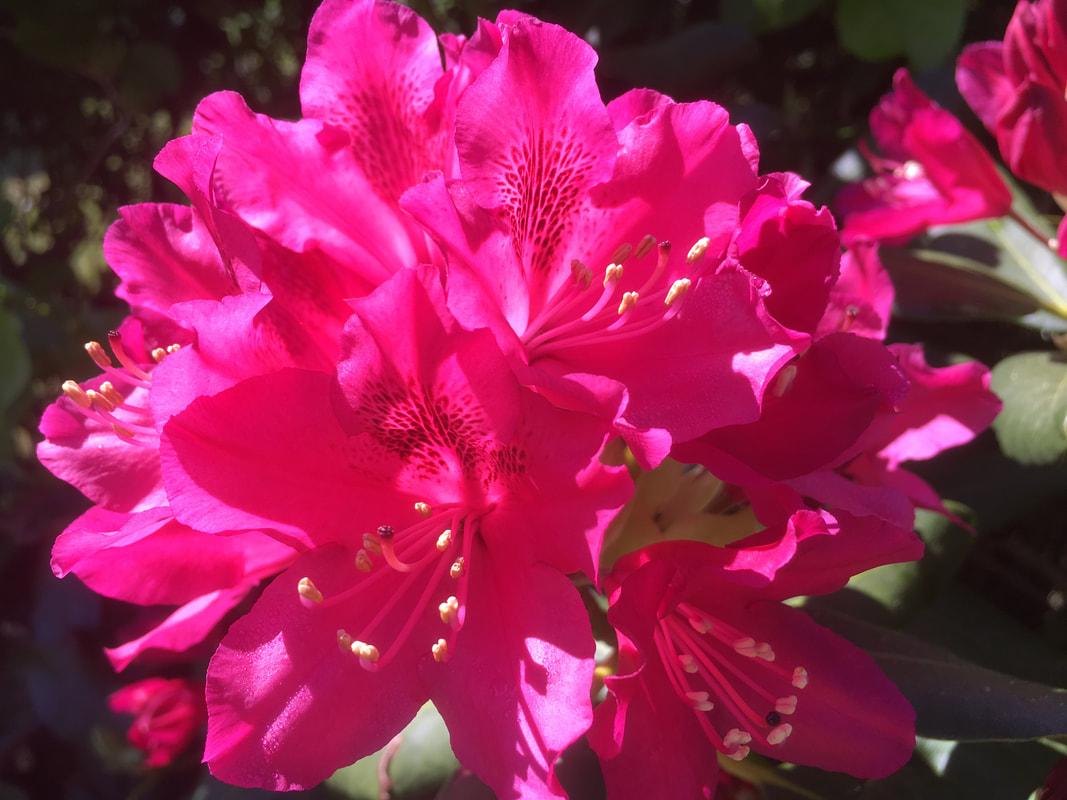 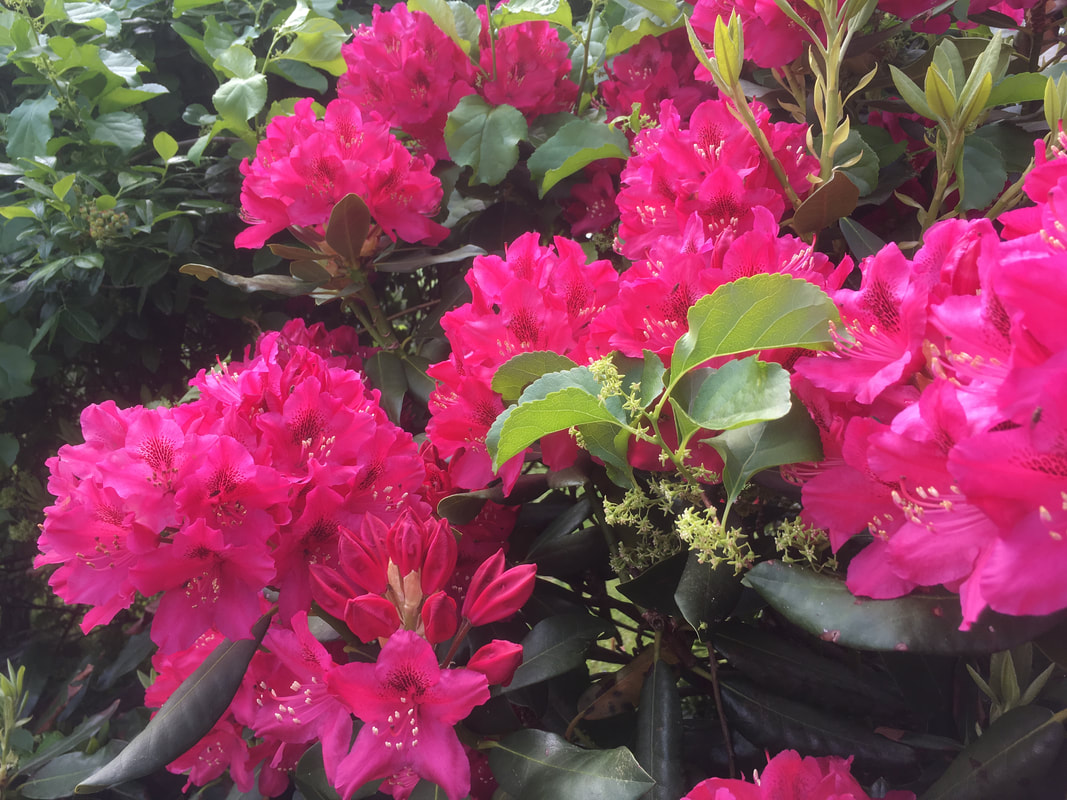 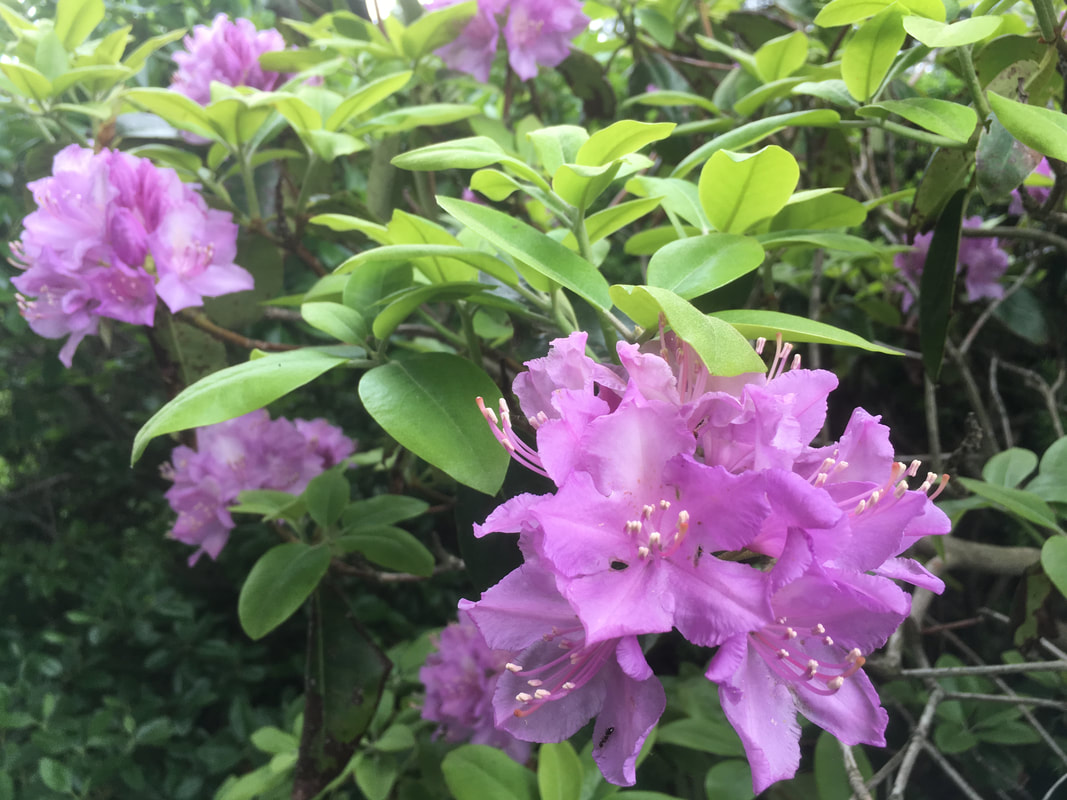 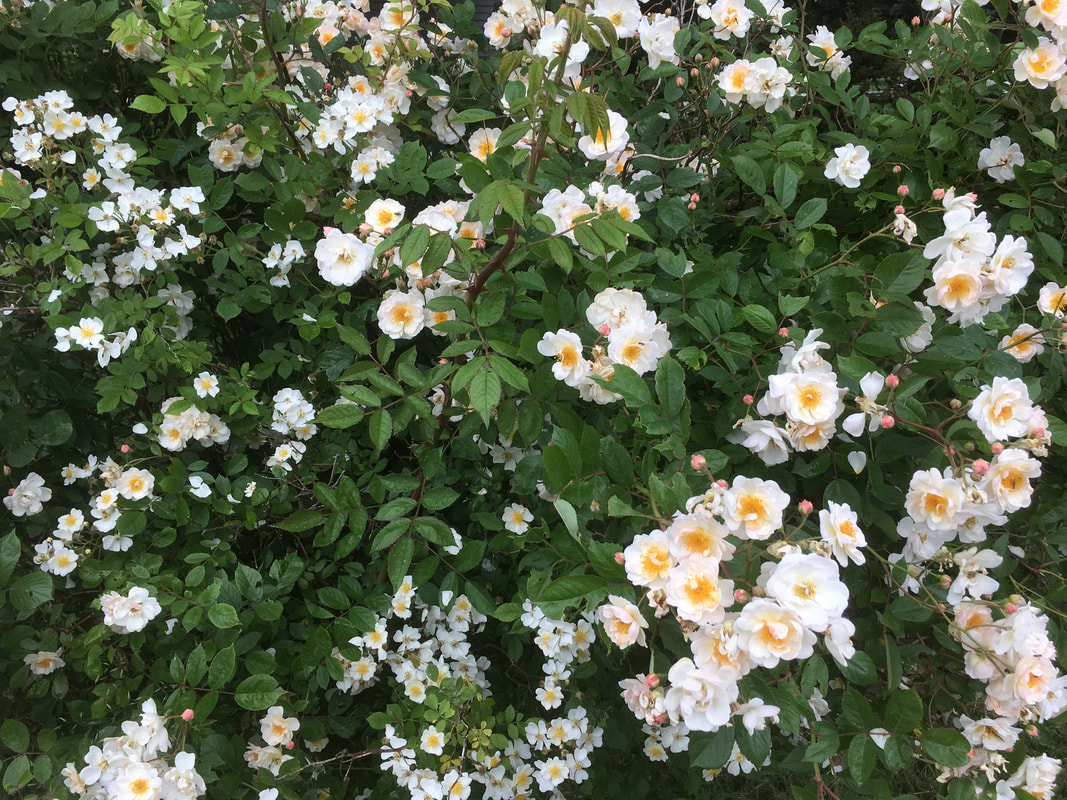 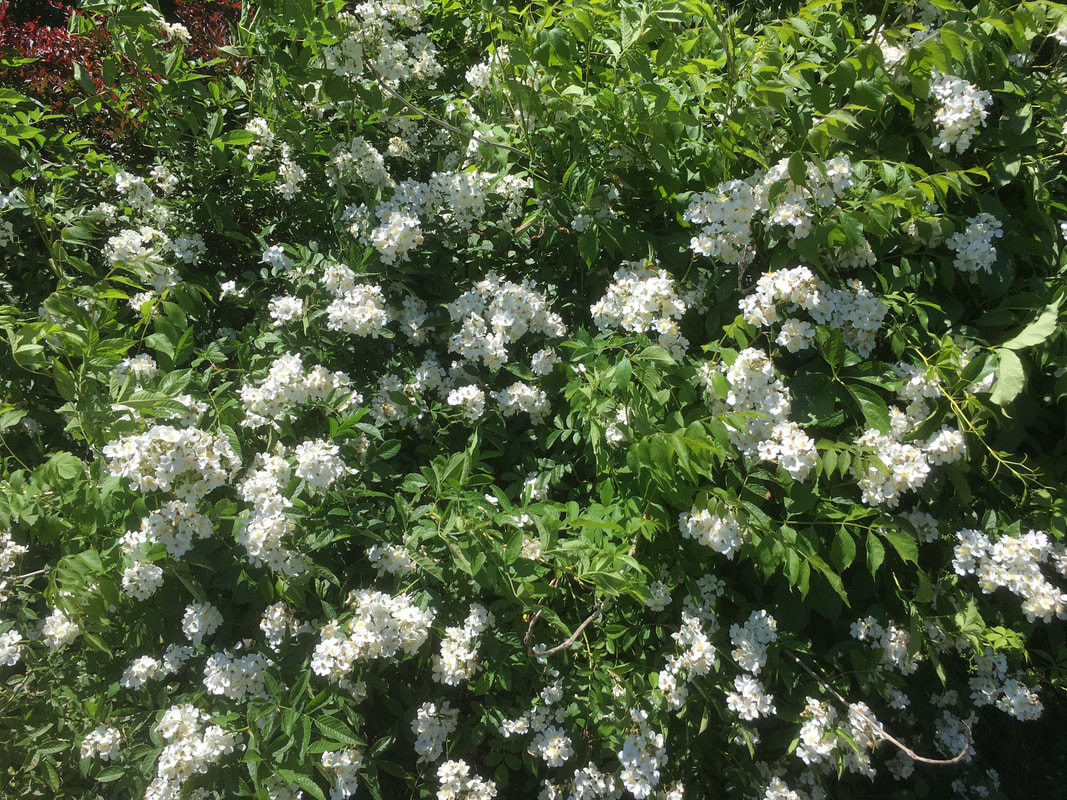  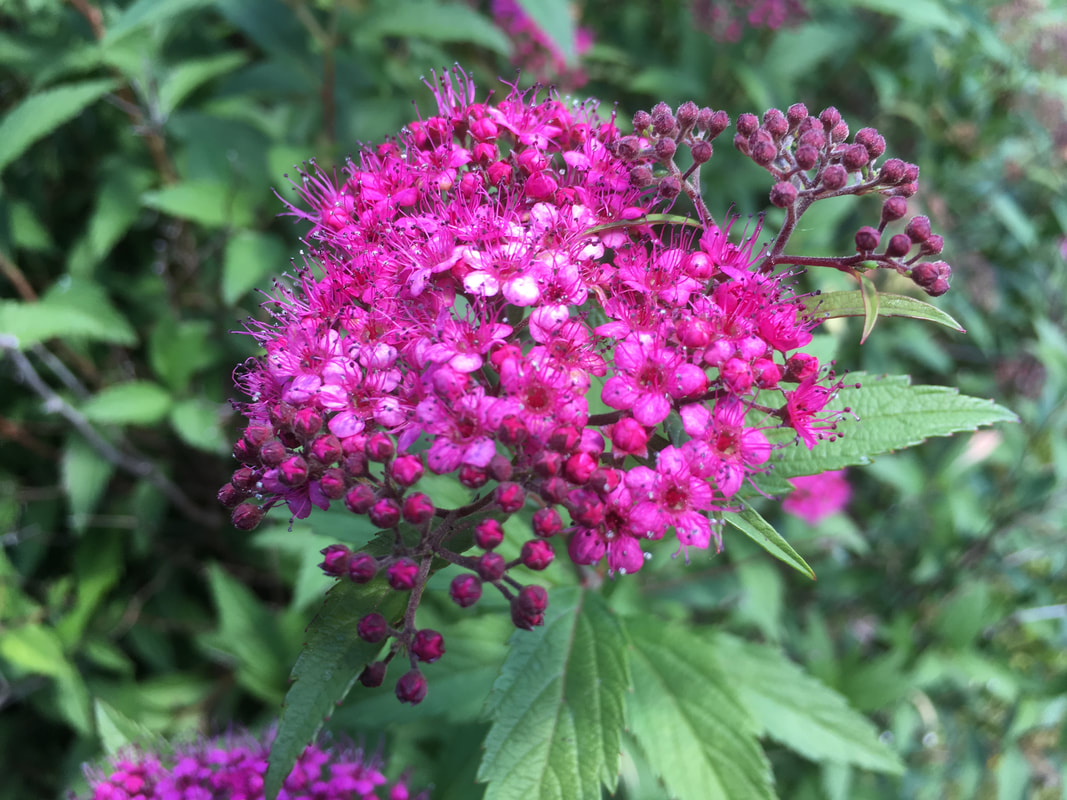 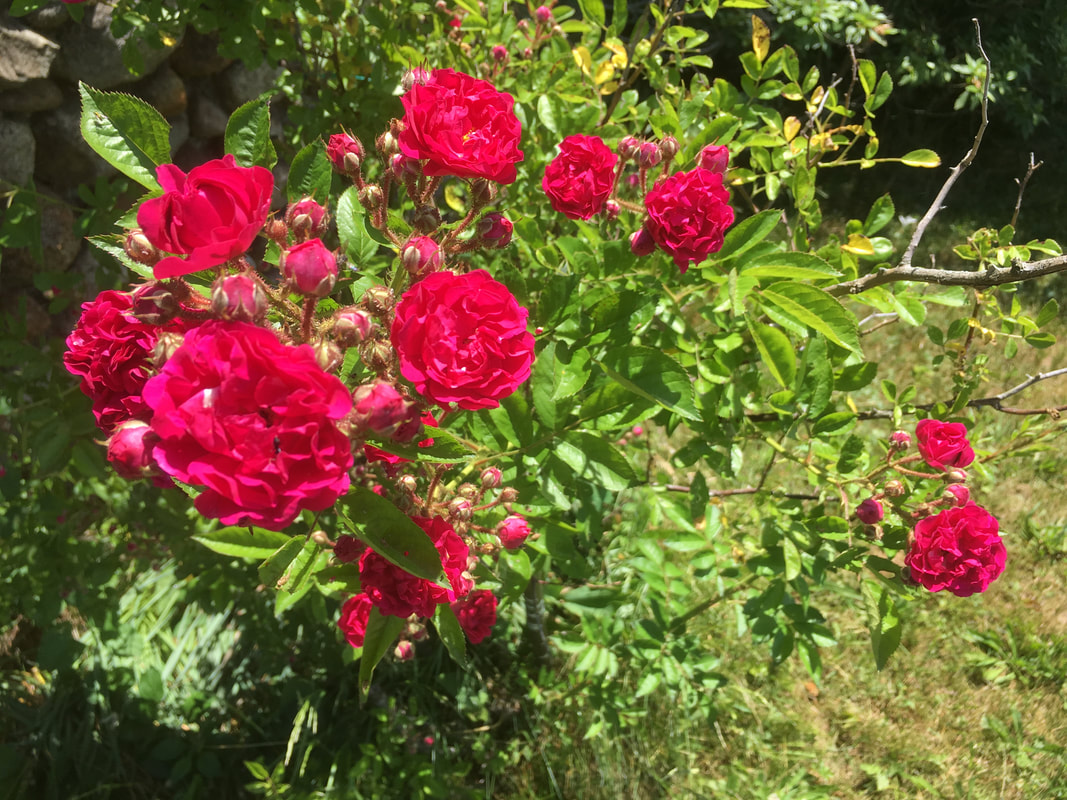 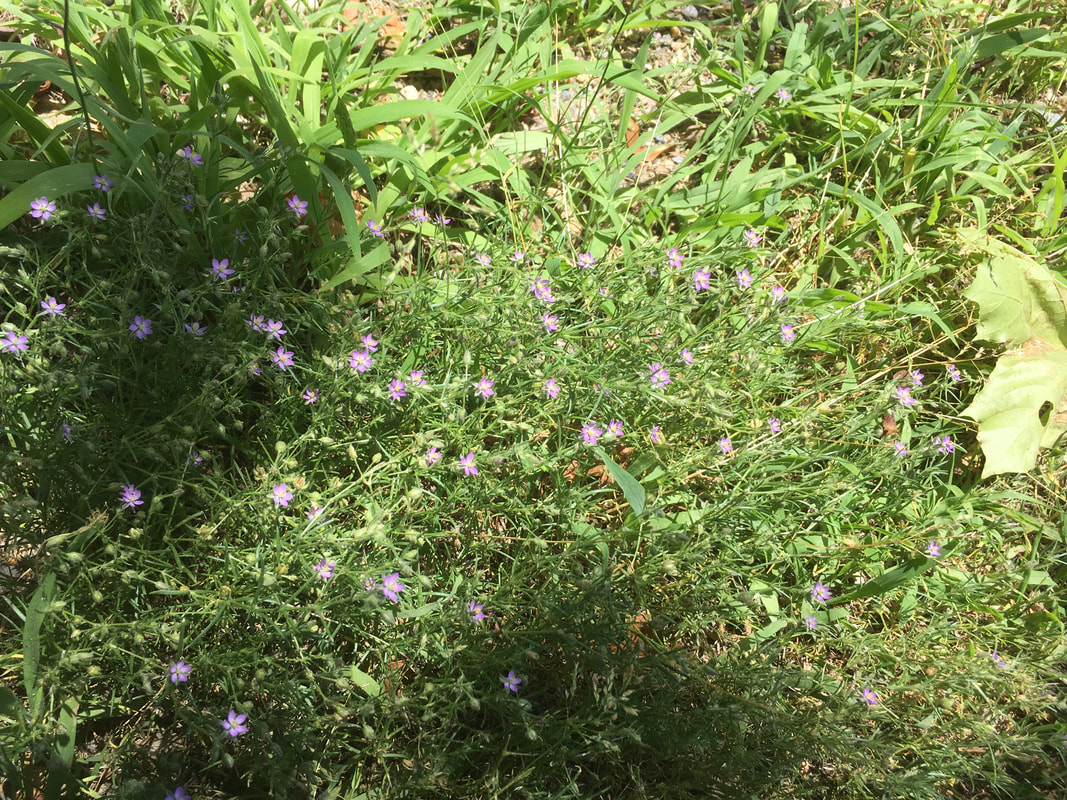 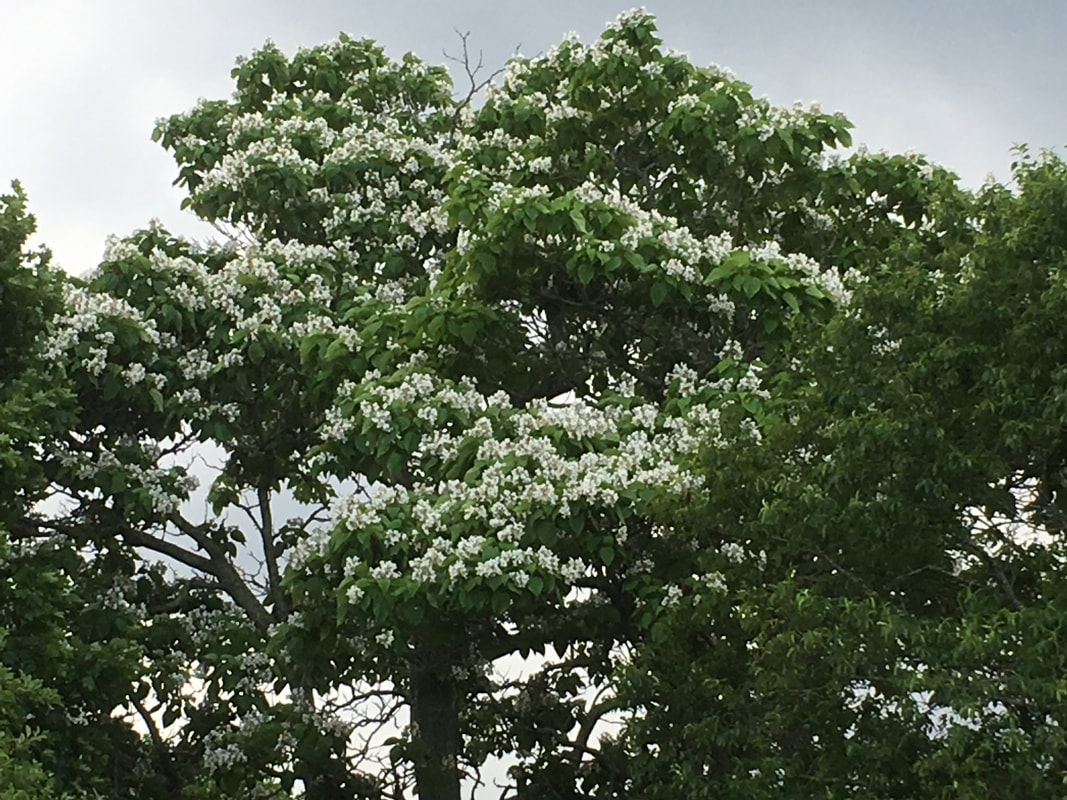 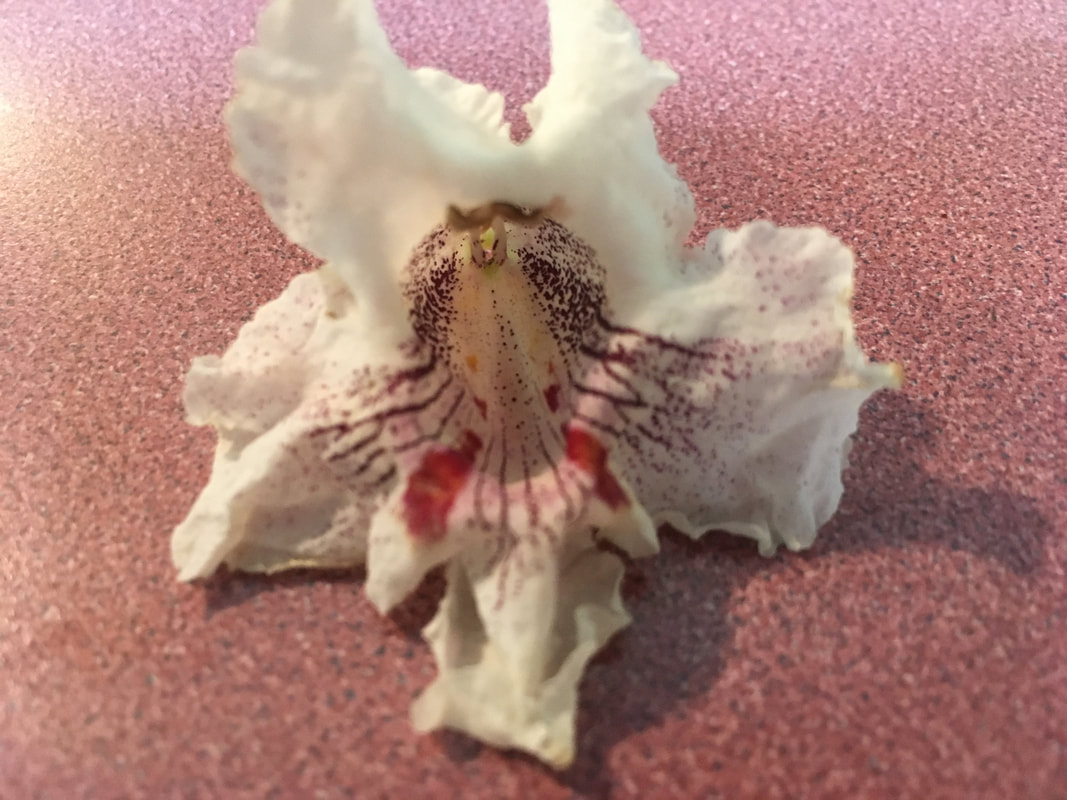 Um…Those aren’t flowers. Technically, they aren’t even plants; they’re protists. 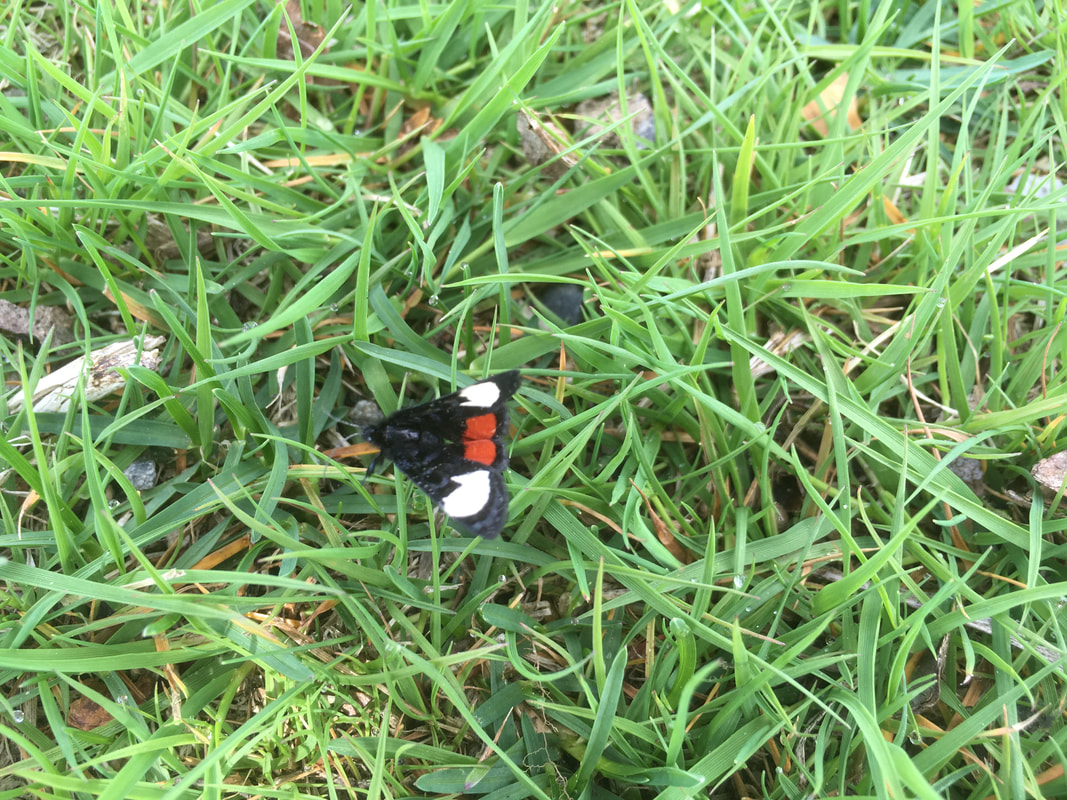 Also not flowers. Flowers don’t move. Dan, you know better. 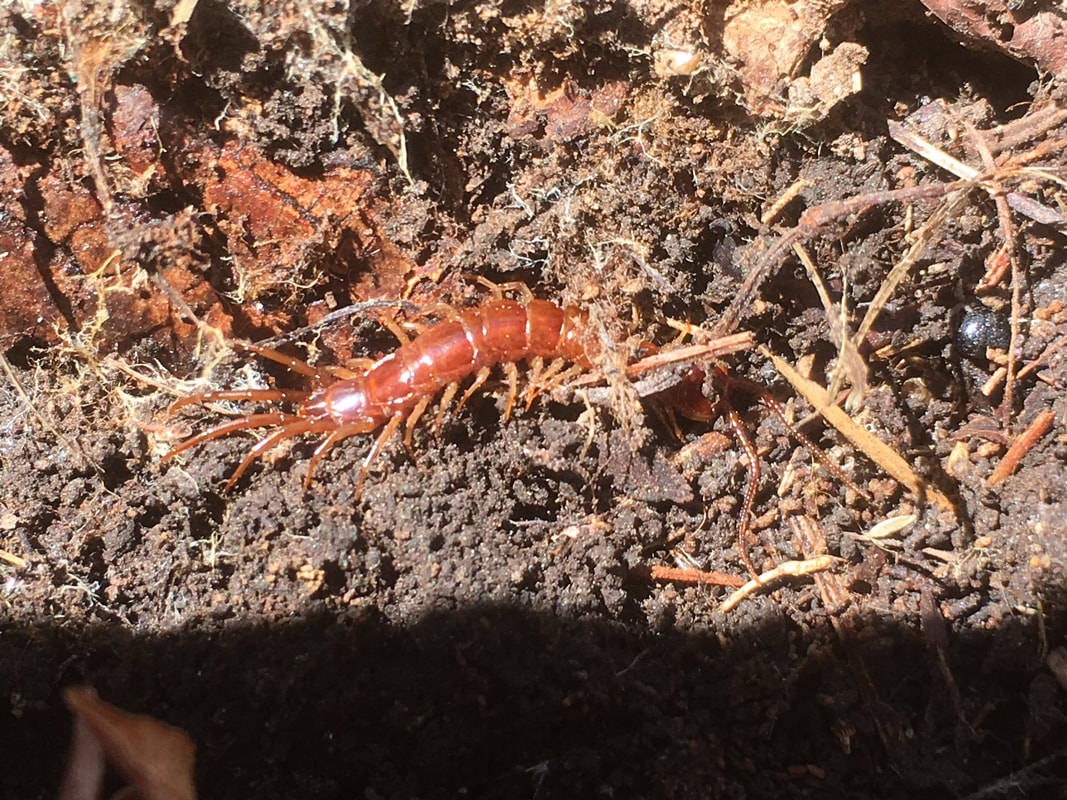 Just stop.
I was recently asked “when” I became a Christian and if I had a specific date my new life began. I did not and neither do many people, yet there are those that seem to doubt whether one is a true Christian if they cannot point to a conversion moment in their lives. The way I see it, there are a series of stages of ongoing growth that people enter. At every point, one might assume they are finished, but there always seems to be more to learn.
Stage One: In elementary school I was an atheist. My Sunday School teachers were nice people, but terribly uneducated in science. Over the years in spite of them, I learned enough science to gradually accept that miracles were possible and that the existence of God was probable. My change of mind was gradual and I wavered back and forth for a while, so I have no specific date to point to when I converted. Finally, by junior high school I came to think of myself as “saved” because I believed God existed. I had no idea there was anything more to Christianity than that. This was the first stage. Stage Two: For a long time, religion remained purely an academic exercise. I didn’t see how it related to my everyday life. It was only after I graduated high school that I became interested in actively seeking out God’s will. I believed I finally understood what God wants from us. This was the second stage. Stage Three: Even then, I was seeking out God’s will as a means to an end. I was using him as a tool to get my needs met. I assumed that was all he wanted from me. Only in my late twenties did I form the attachment such that I knew I could never be satisfied without him. This was the third stage. Stage Four: Even then, I still believed that there were other things I could never be satisfied without in addition to God – certain unfulfilled dreams and unmet needs I had. Over the next two years, I let go of these things and discovered that God alone is sufficient. I even let go of my personality. This was the fourth stage. I’m still learning just how to apply my knowledge in novel circumstances, but I haven’t reached a fifth stage yet, assuming one even exists. In looking back over my growth, I can see now that there has always been a guiding drive present that I have come to associate with the idea of God living inside me. This force existed in me even when I was an atheist, pushing me to learn more truth. There is no specific event in which God came to live in me after I had chosen him. He was already there. Because of this, I have trouble separating people into “believers” and “unbelievers.” We are all partial believers at different stages along our common walk. Having so recently been at lower stages myself, I understand that those still at these lower stages are unaware that there is more to learn. I want to guide them, not judge them. Faith: Since having faith is central to every religion, having a proper understanding of the definition of faith should also be important to define “when” one joins a new religion. When I first accepted Jesus, I still thought of faith as nothing more than a belief driven by the evidence and easily lost by new evidence or clever arguments. Was I not yet a Christian? Others accepted me as such. Later, I understood faith to be a choice to trust and not falter in belief every time some new challenge arose, but to stay the course unless it became clear I had been wrong. Was I a Christian then? Even then, I still tried to measure my faith to ensure it was growing. Now I understand that faith grows on its own anyway and cannot be hurried. Since tiny amounts of faith will eventually grow into mountains worth, all levels of faith are equal in their final outcomes. Measuring faith is counter-productive. Sin: Sin, too, has stages of knowledge. The Jews believed that one had to keep the Mosaic Law to keep on God’s good side. As 21st century gentiles, we know this isn’t true, but many of us still try to follow the dictates of our respective denominations. Even those that understand it isn’t the role of our clergy to make rules for us still try to live up to the standards of our culture and feel bad when we fail. In my case, I rejected being ruled by anyone but myself – but I failed even at following my own rules! Even when “by faith alone” is the only standard, we all fall short of perfection even in faith! It was only recently that I understood what Jesus meant when he said he came to fulfill the law. Don’t worry about messing up; you (or God) can always fix things later! I wonder just how much God plans ahead and how much he makes it up as he goes. Of course, this is assuming linear time; there might not be a difference in reality. If it is true that God makes a lot up as he goes, it is misguided to try to seek out God’s will for our lives. We’ll find out soon enough. All we need to know is that he loves us and is working to make things better. If there is no plan, it cannot be a sin to violate the plan! Religion: Even the way I eliminated other religions was gradual, and in a sense I never fully eliminated all of them. My belief is based more on my personal experience and reason rather than ancient text I can never be absolutely sure the source of. Christianity is mostly just the “language” I use to explain my spiritual state to others, since it is the religion I am most familiar with. I have every reason to think that God can reach anybody through whatever belief system they happen to have, and when this happens their beliefs change. None of us know everything, and all the major world religions have some wisdom in them. I’m not saying all religions are true – quite the opposite. I’m saying all religions (including Christianity) are incomplete without a connection to God, but we all have this connection already – and God is working in everyone to strengthen this connection without myself even having to do anything to convert all these people! In conclusion, I suppose maybe I was “saved” when I was conceived (sometime in 1981). When did you become a Christian? 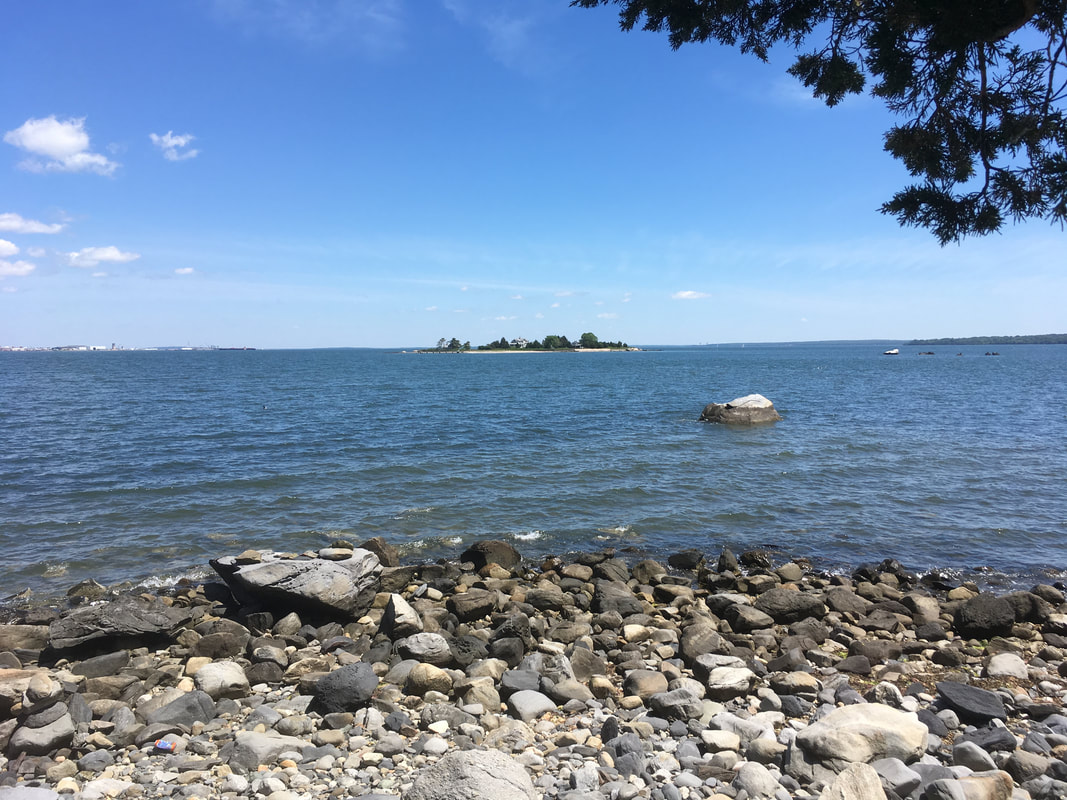 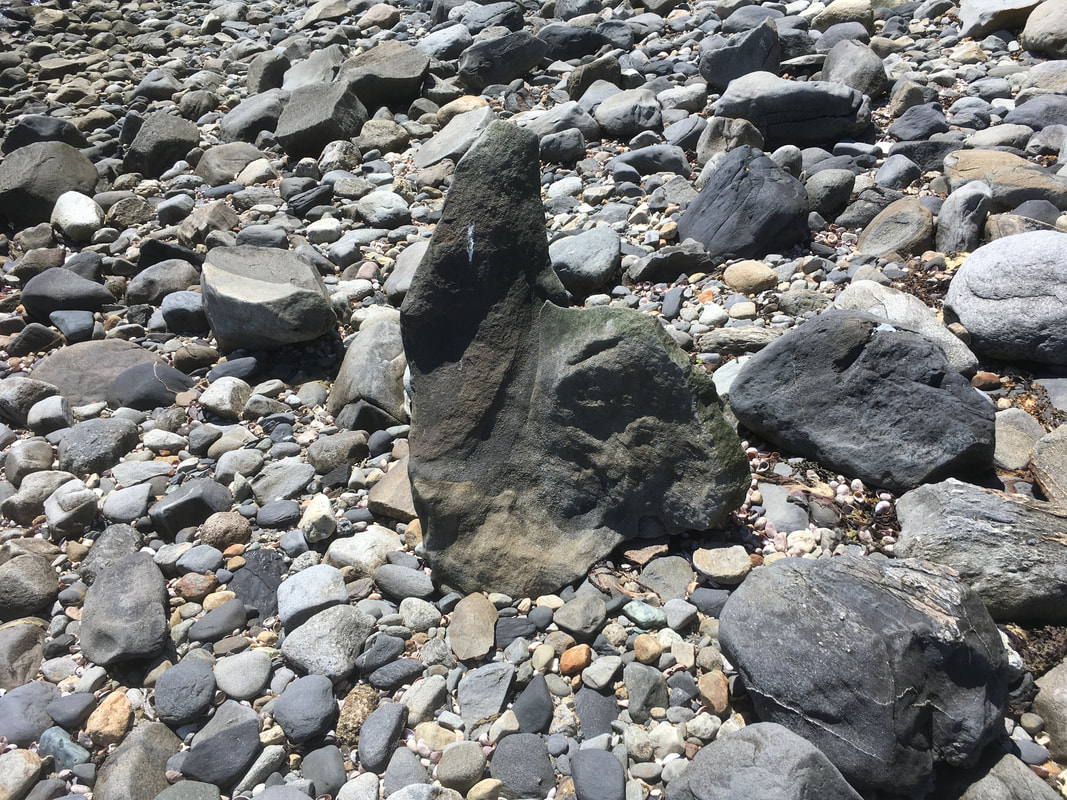 the "rabbit rock" of Rome Point Sometimes I just want to escape, forget the human world, and go hide in the woods and smell the roses. This is exactly what I did in June when I visited the John H. Chafee Nature Preserve. There were some other people there, but mostly they were out of sight. The main trail will take you right out onto Rome Point, a tiny peninsula that juts out into Narragansett Bay, so to avoid people I ran down a side path bordered by ferns. Unfortunately, the first path ran into a stone wall on the other side of which was a swamp. I backtracked and took a second side path. Both of these paths were narrow due to the thick vegetation on either side. Numerous vines and branches crossed them. There were also highly visible thorns which I knew would discourage the average person. At last I was starting to feel isolated. 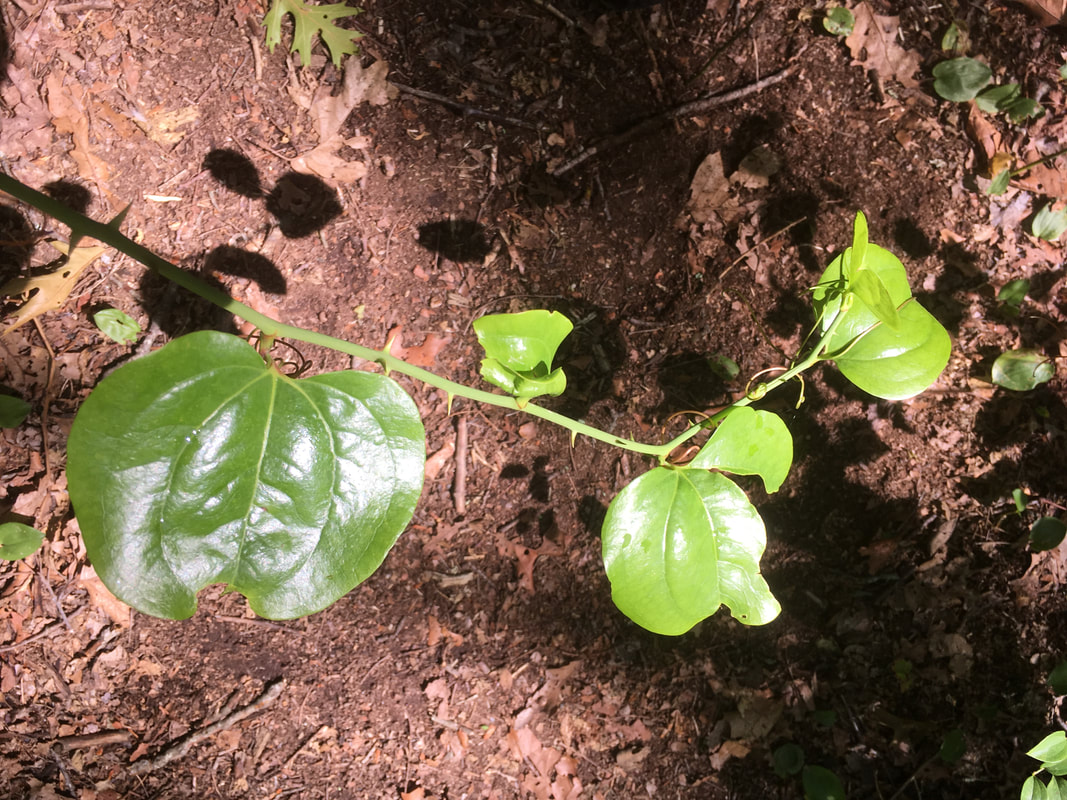 Before long, I entered an open area where the trail split and there was a giant rock with a tree sticking out of it. This place was clearly frequented by humans, but I did not see any yet. I bore left and reentered the jungle. This is when I finally found the best place ever. 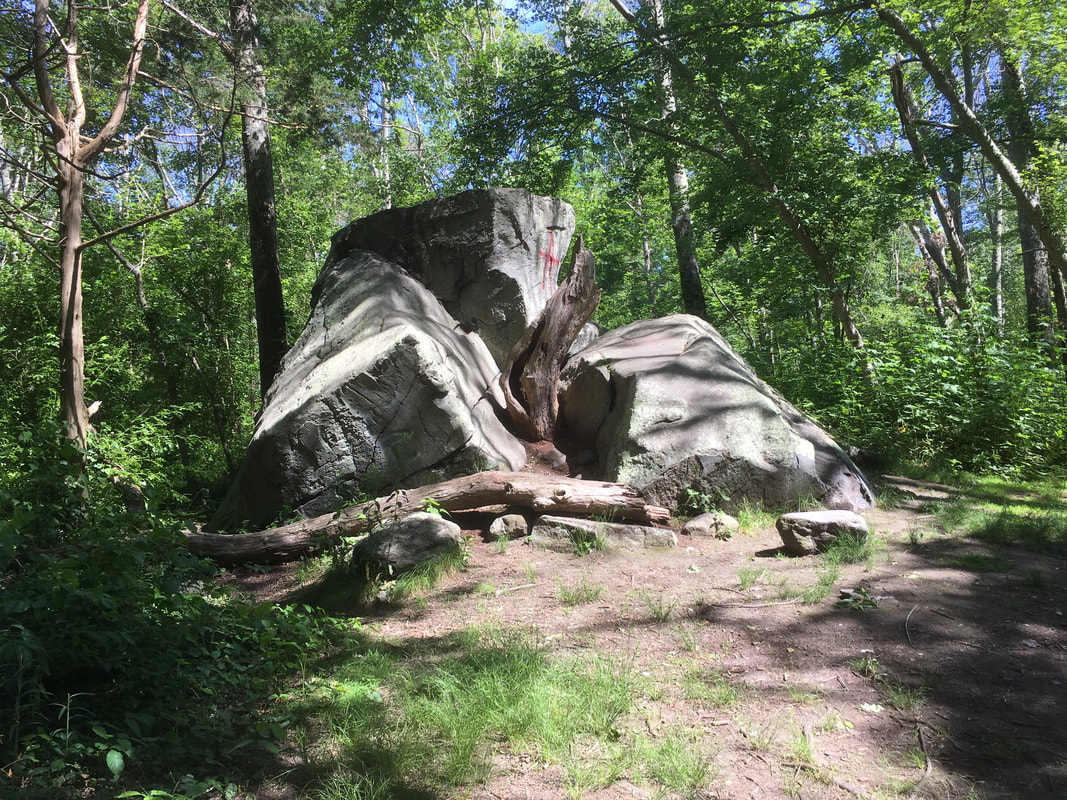 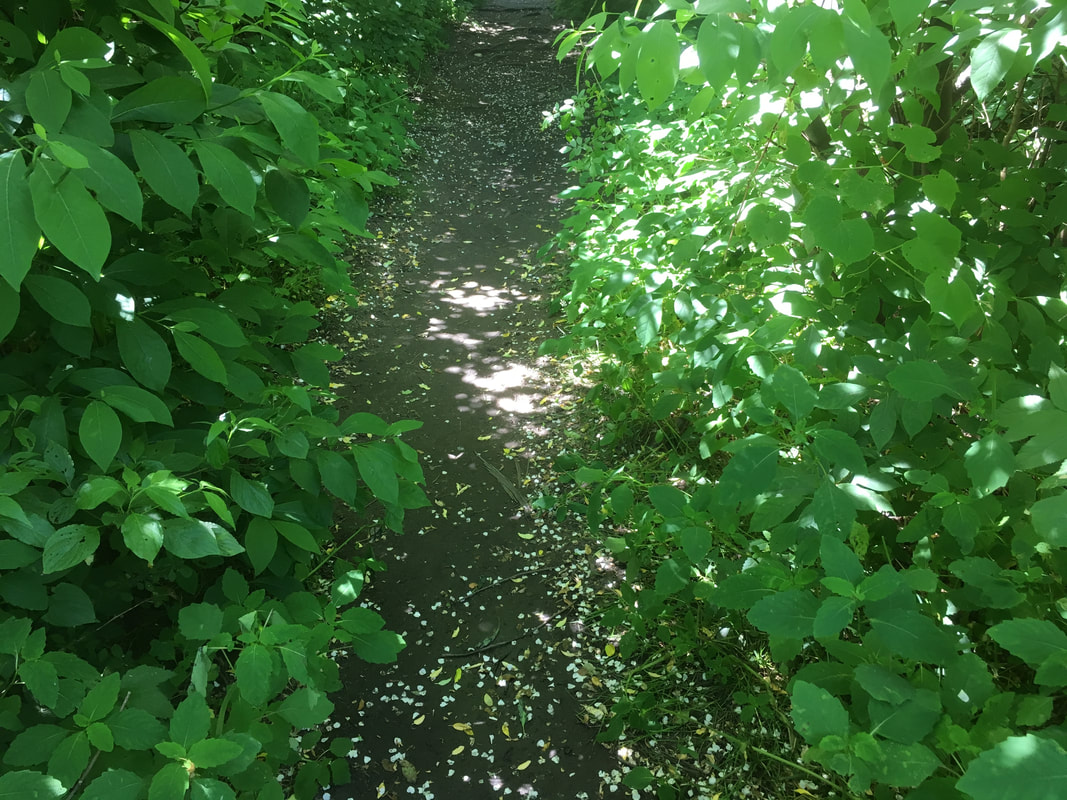 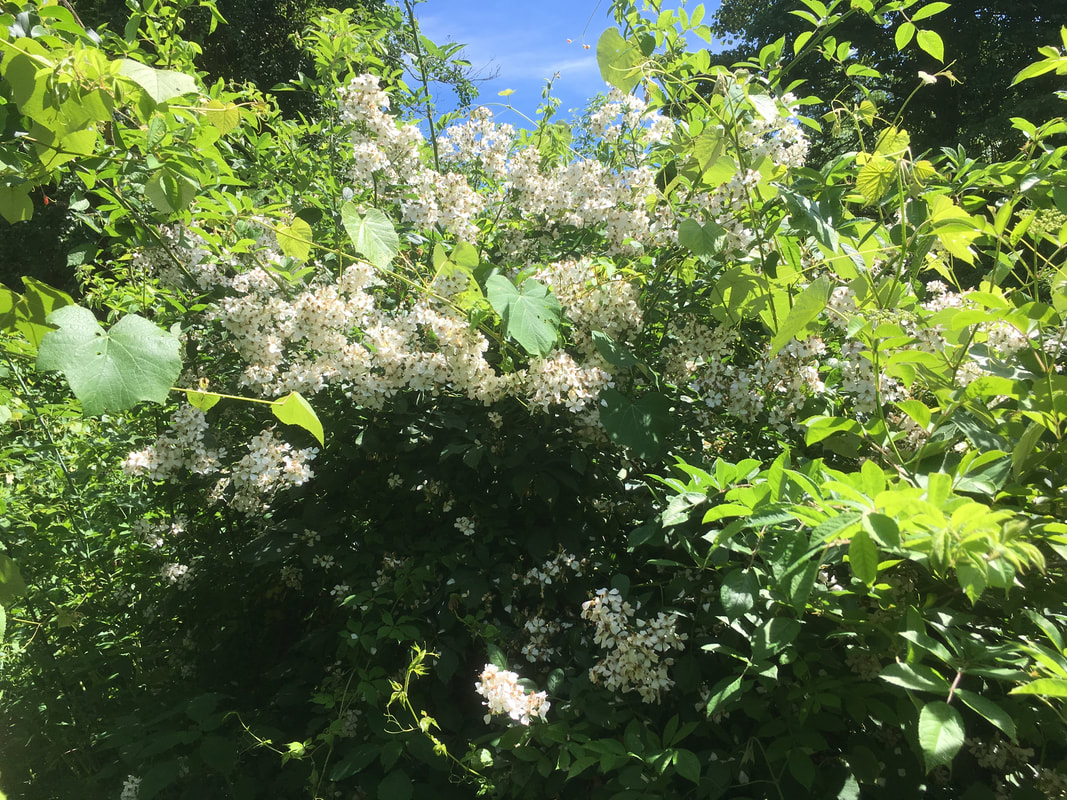 The path shrunk to almost nothing, crushed between walls of roses and other vegetation nine feet high. The smell was intoxicating. The bees were few and left me alone. The thorns did not catch. I was slow and careful and as I later discovered the thorns of one species were soft! It went on like this for quite a way around several tight turns before beginning to open up just a little. This is where I found the ruins. 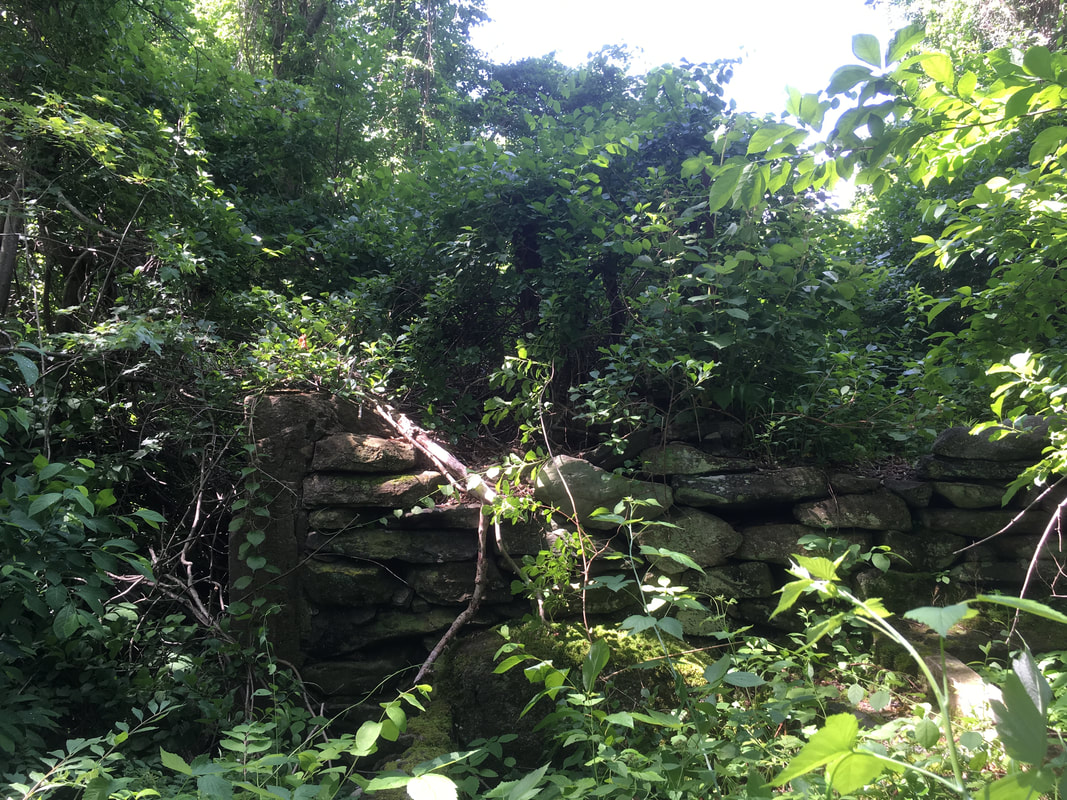 I didn’t know what to make of the wall. I went down a side trail and back, finding three deep holes in the ground. I half-expected them to be full of skulls and gold coins, but instead they just contained bottles and cans. Back on the trail of roses, I was feeling pretty good. I often stopped and looked up. The trees were covered in vines and expertly shaded the forest floor. The path was smooth and mostly free of sticks. I felt that I had found my own private paradise where I could do whatever I wanted, hidden from my enemies. Nobody else came down the path. I wanted to stay, but alas, I had to keep exploring. What existed further down the path? 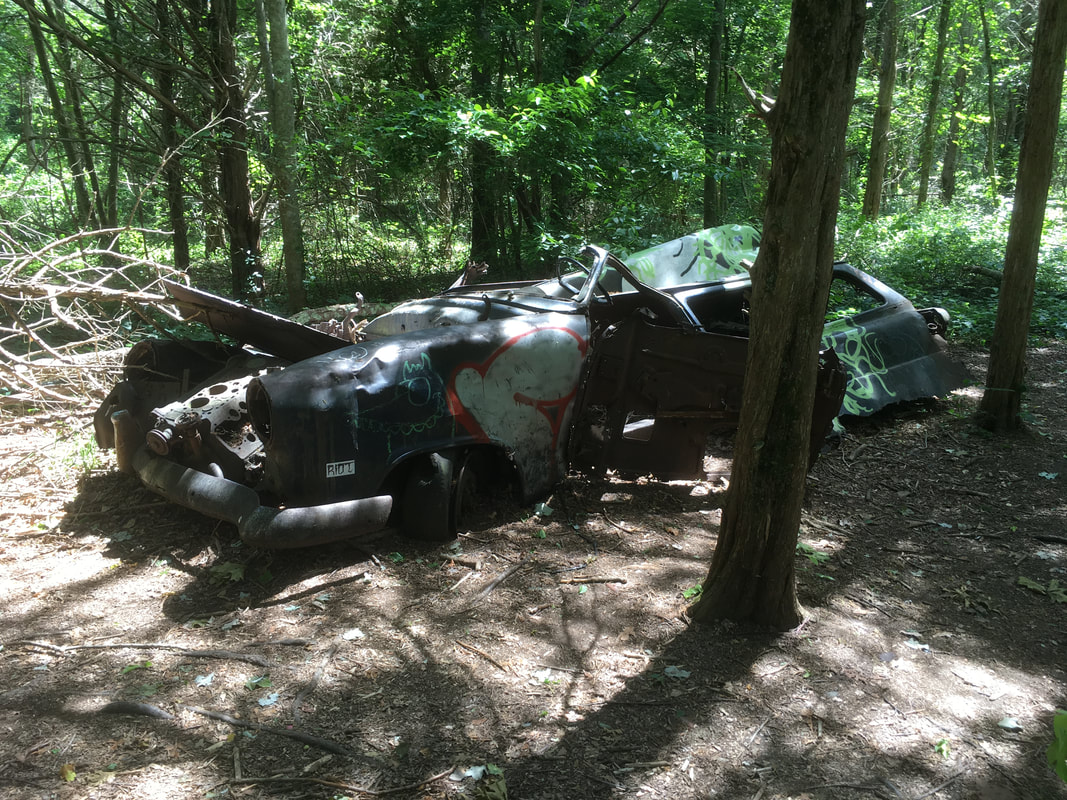 Eventually, the underbrush cleared up so I could see where I was going and several almost indiscernible paths joined the one I was on. I came to what appeared to be a major intersection. The remains of a car were parked there. I had reached the end of uninhabited territory. I followed the main trail and soon came to a grassy area of many small trails leading to the beach. This is when I first saw humans, but they were far away and paid me no notice. 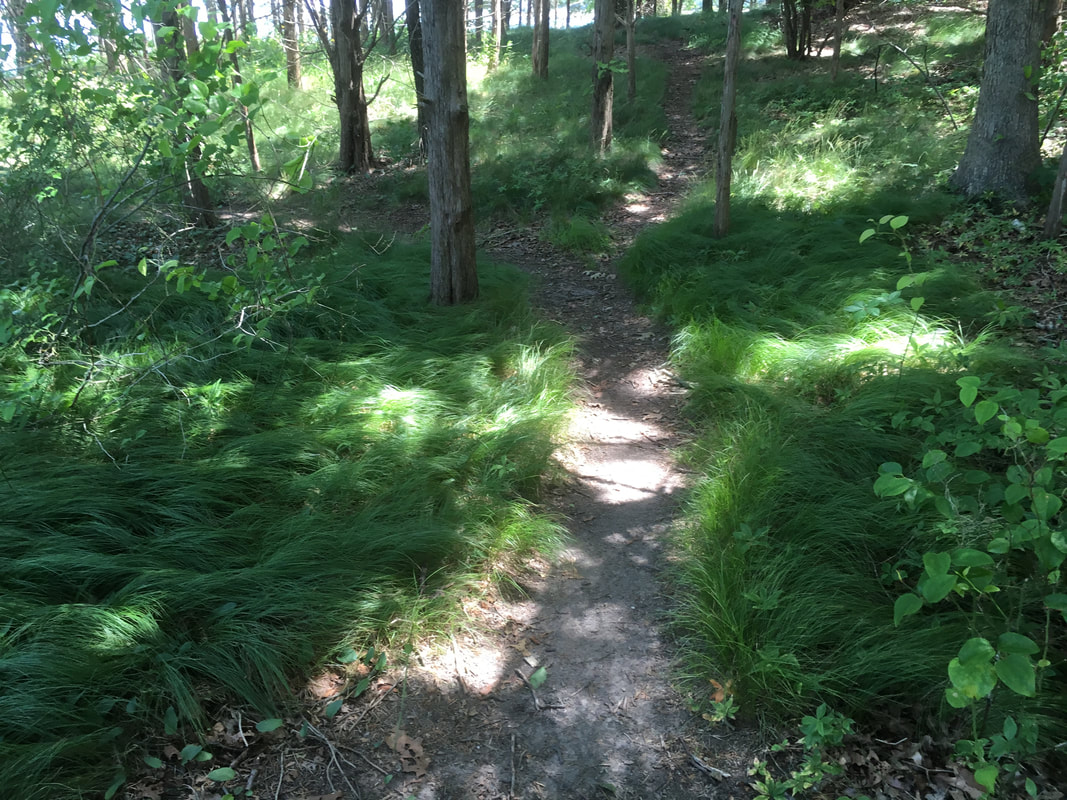 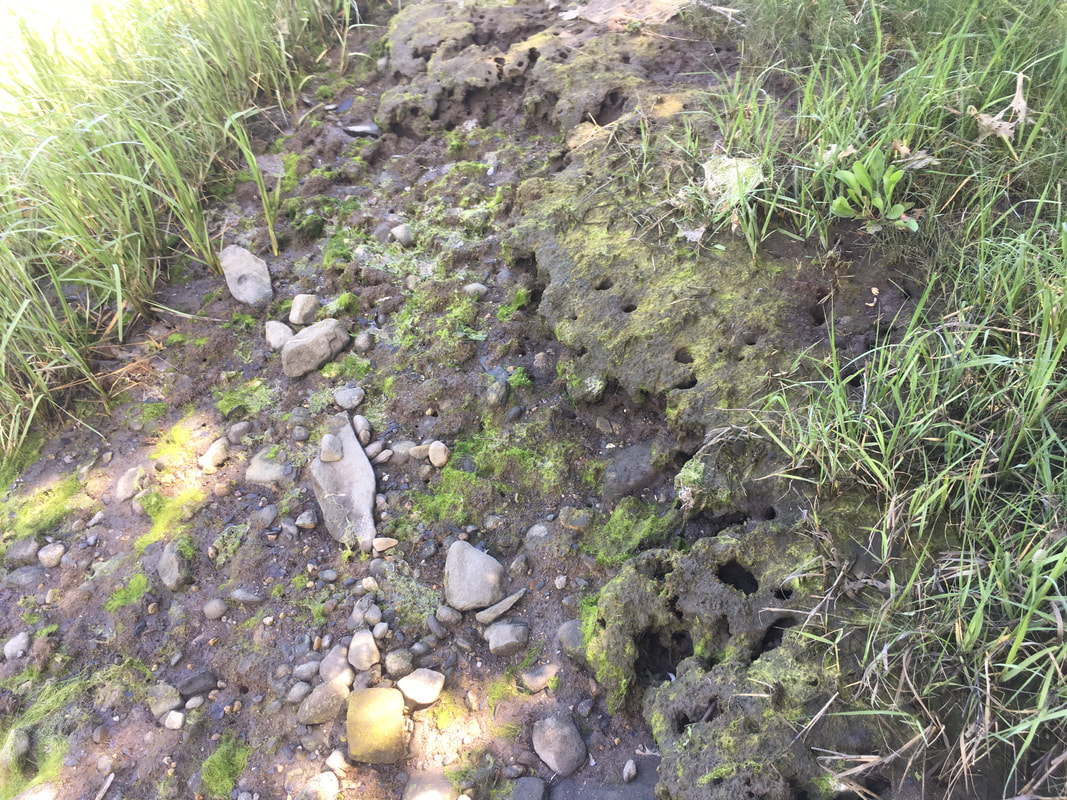 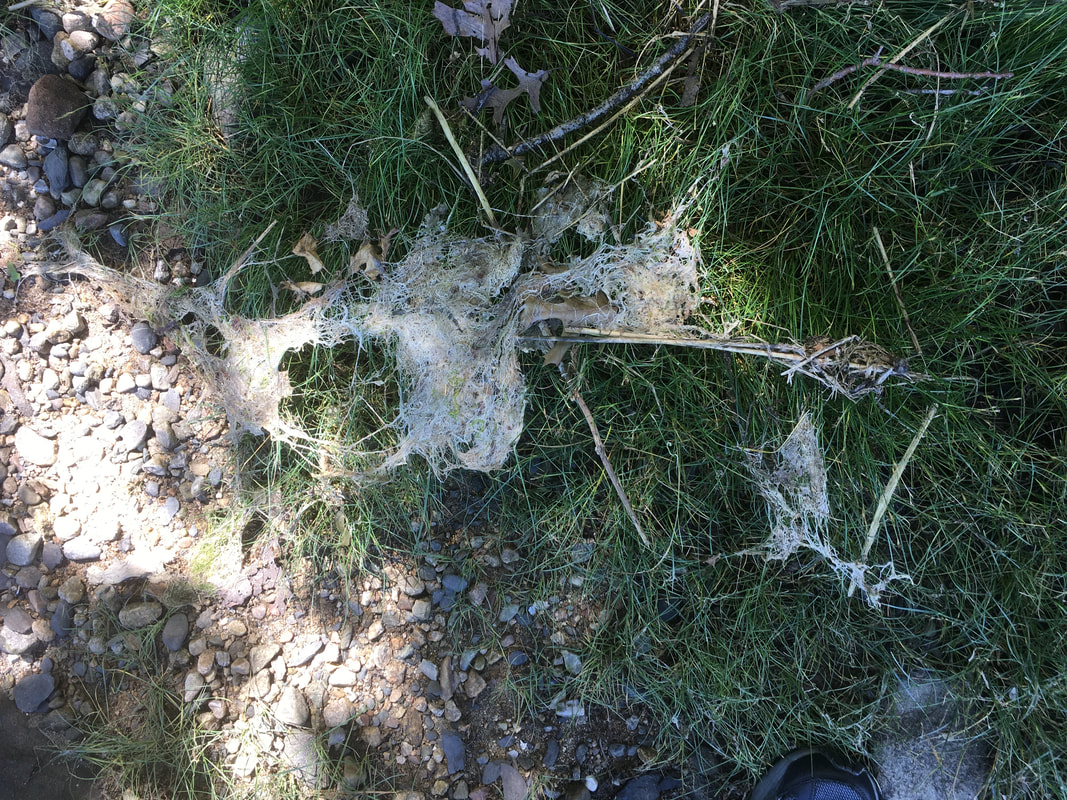 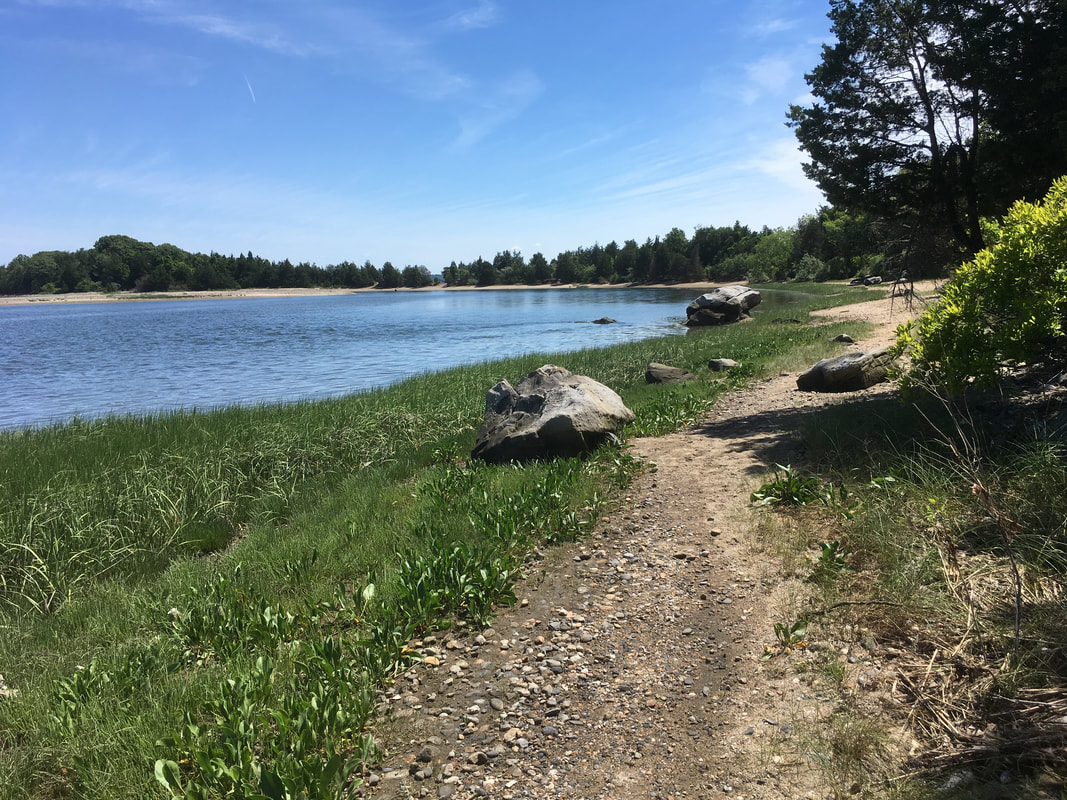  The tide rushed in between the peninsula and this nearby island: 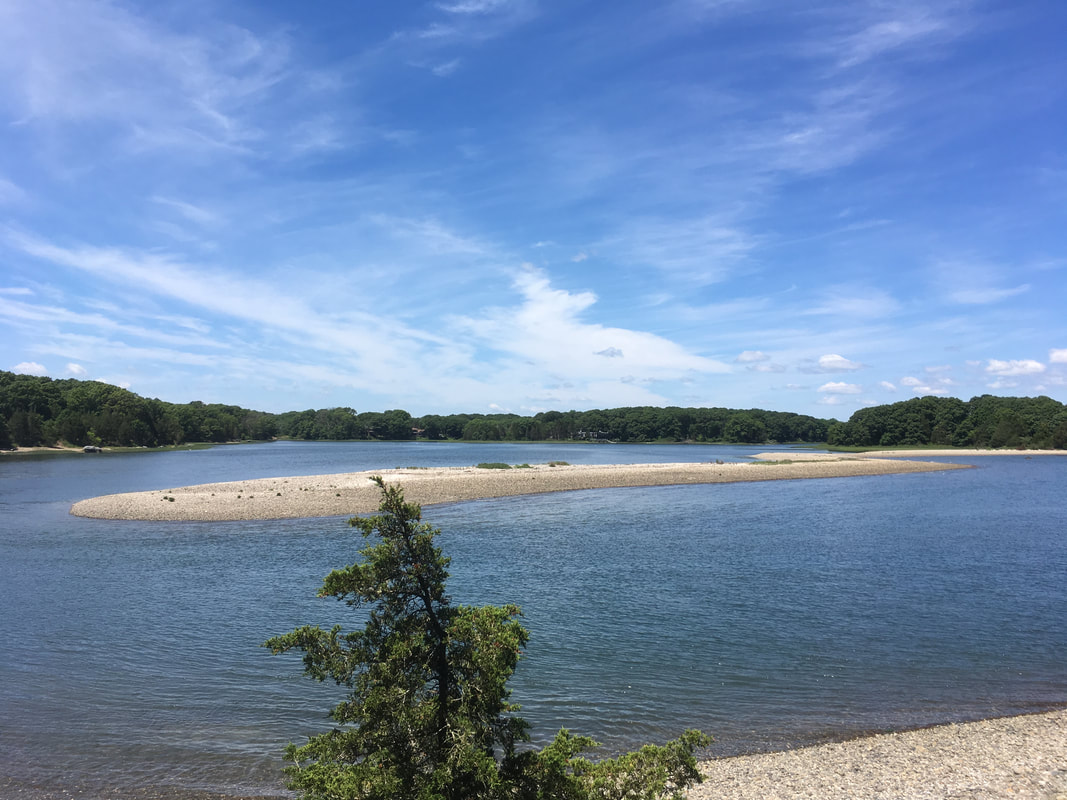 On the other side of the peninsula, the beach was all stones and lady slipper shells, nothing else. This is where I saw the “rabbit stone.” Straight ahead is a little island with two houses on it. There were also some flowers: 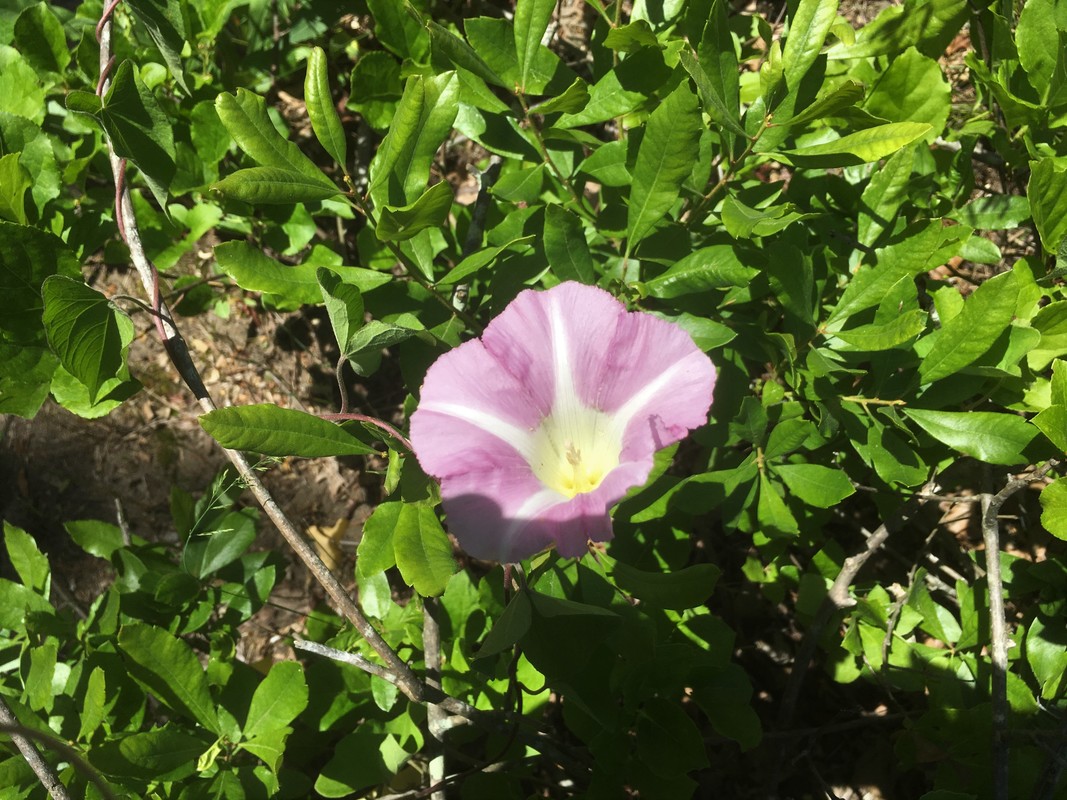 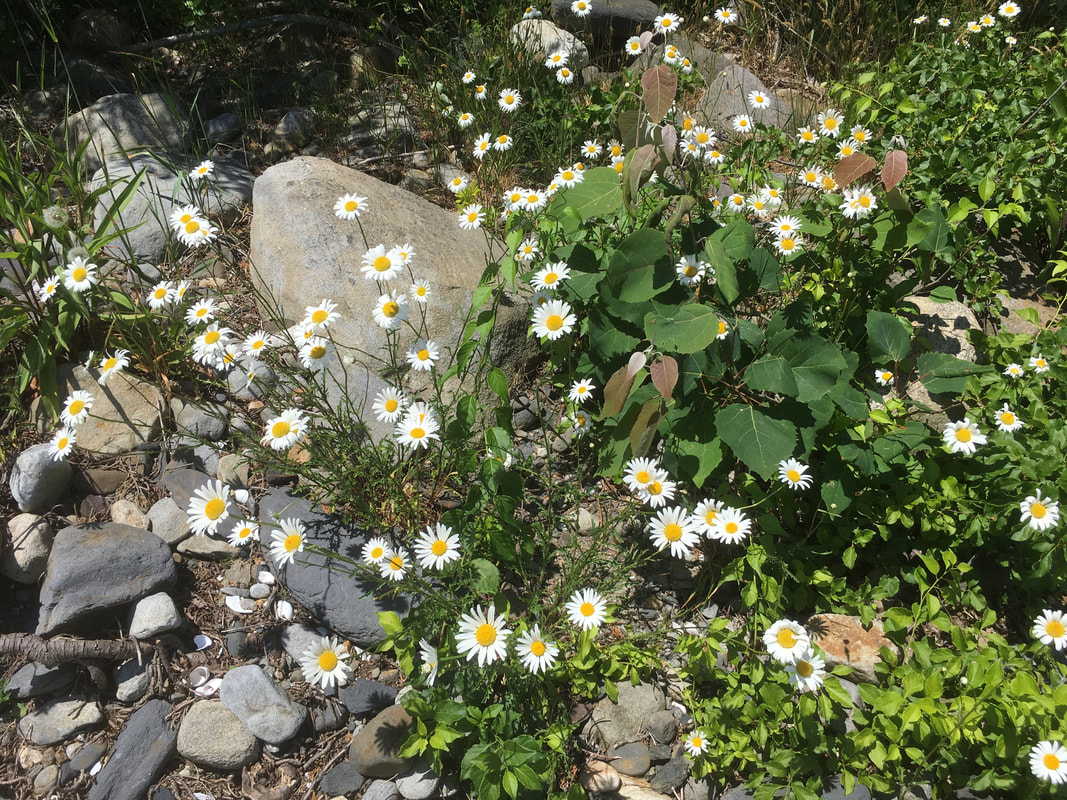 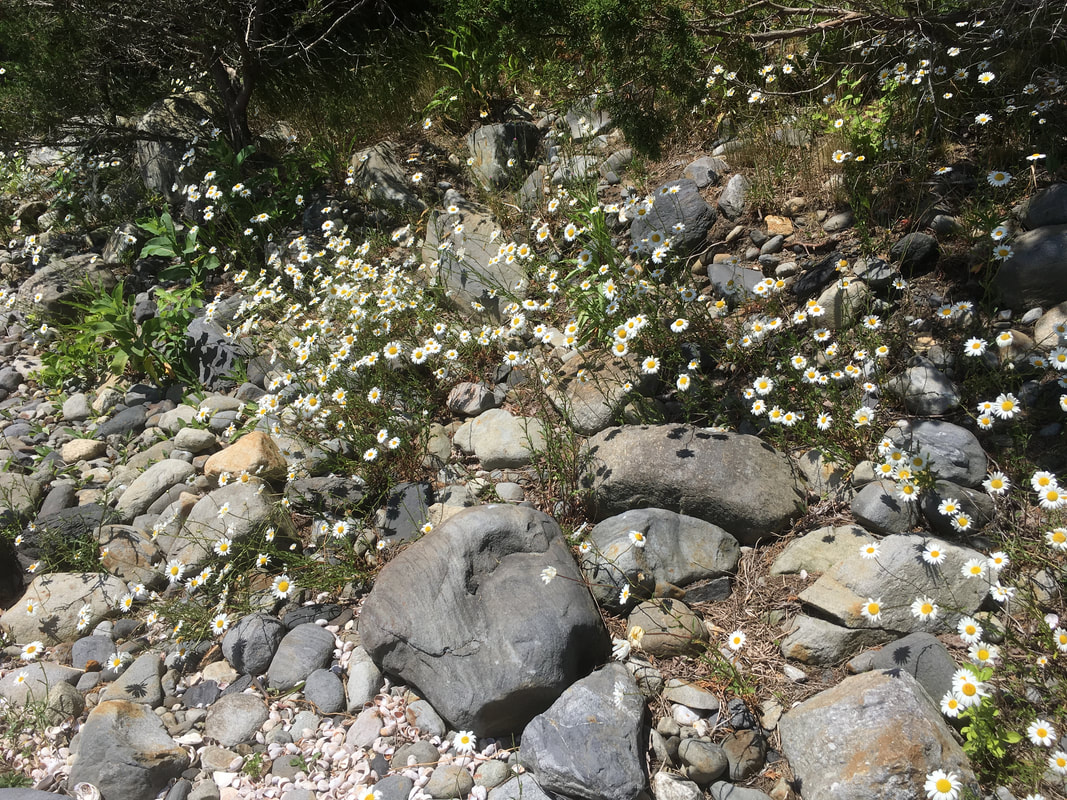 Having seen enough, I returned the way I came. I could not get enough of the roses. I wanted to stay the night. I was going to move in. That is when the humans arrived. Two humans and a dog passed me from behind. I squeezed past another human and a dog going the other way once the trail narrowed. The thorns had not deterred them one bit. I lingered for a while among the bees and had to move over for yet another human. The illusion was broken. This was not going to work out the way I hoped, but nothing could break the good mood I was in. 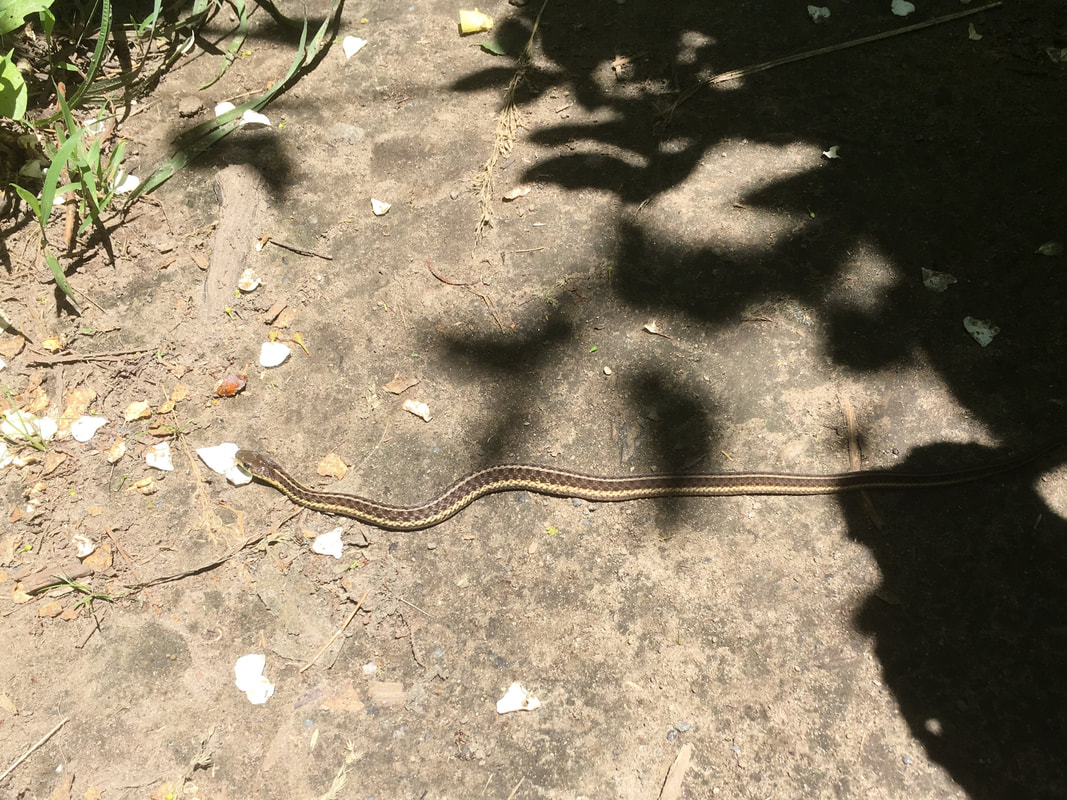 Nope, not even that.
One thing I have observed in life is that Christians are very quick to alienate those they claim to want to reach over subtle, arcane points of theology instead of trying to find common ground. This needs to stop.
My Story: I grew up going to church every Sunday. I prayed every night. I read the Bible. I believed for most of my life that God created the universe, that Jesus died for my sins, and that the Holy Spirit lived in me and guided my actions. I believed that Jesus was himself God. I even believed in some of the more controversial parts of the bible such as a literal seven-day creation week and the virgin birth. Imagine my shock when in my thirties I woke up one morning to read online that I had been living a lie all those years; I had never been a Christian because I didn’t believe in the trinity! I was always aware that God’s tripartite nature was a common belief, but not that the debate had been settled, and certainly not that it was important. When I was young I always had the sense that it was something debated by theology nerds but incomprehensible to normal people. I was never sure whether I believed it myself because I did not know what it was. How could I know whether I believed in the trinity when I didn’t even know what “trinity” meant? Over the years I have heard no fewer than twelve different explanations of the nature of the trinity, all of them incompatible with each other, and by far the most common explanation I hear is: “Well, no one understands the trinity, but we know it’s true because the Bible tells us.” Really? Actually the word “trinity” is nowhere in the Bible and the only hint we have of its existence (that I am aware of) is that the early Christians were told to go out and make disciples, baptizing them in the name of the Father, the Son, and the Holy Spirit. This is very flimsy circumstantial evidence to say the least. Just because three of God’s manifestations are listed does not mean those are the only three he has. I can think of seven just off the top of my head: in the beginning speaking the world into existence, in the pillar of smoke that let the Israelites through the desert during the day, in the pillar of fire that led the Israelites around the desert at night, in the Ark of the Covenant, in Elijah’s still small voice, in Jesus, and in the bright light on the road to Damascus. That’s seven forms. Why is he not a septnity? What do those seven lampstands in Revelations really represent? It all seems so silly. God has not only been referred to as the Father, the Son, and the Holy Spirit, but also as the way, the truth, the life, the word, the prince of peace, the son of man, the son of God, the lamb, the lion, the alpha, the omega, the I Am, Yahweh, Elohim, Jehovah, Jesus, Yeshuah, and even the “unknown God” (Acts 17:23). God has not only taken the role of heavenly father, but is also referred to in the Bible as the bridegroom of Israel and the head of the church body. He is even called a vine while we are the branches! Why do we only consider three manifestations? Doesn’t it make more sense to say there is only one God who takes on as many roles as he wishes? Isn’t it overreach to declare others not to be true Christians just because they might be wrong about one or more points of theology? Don’t we still worship the same God? The same might be said about Jews or Muslims. They claim to worship the God of Abraham. They might call him by a different name and have some ideas about him that I don’t agree with, but how can I know for sure it isn’t the same God? Only God knows the heart. This is how this debate started. To show love and solidarity with Muslims as they are abused both by the extremists within their own religion and those in the west who cannot tell a good Muslim from a bad Muslim, a professor at a Christian college a few years ago opined that we all worshipped the same God – not an uncommon opinion. Not only did the college fire her, but they went on to say that Muslims certainly do not worship the same God because they don’t believe in the trinity and anybody who doesn’t believe in the trinity doesn’t worship the same God either. I was quite surprised. Whatever the theological truth might be, this rhetoric is dangerous for two reasons: It alienates the Muslims that we should be trying to reach and it alienates other Christians who could help us reach them. In any case, I know Jesus personally and I know he accepts me, so I don’t care what others say. I still can’t believe somebody got fired over this. Question: When did belief in the trinity become so important? |
AuthorMy name is Dan. I am an author, artist, explorer, and contemplator of subjects large and small. Archives
February 2023
Categories
All
|
 RSS Feed